
Generators
Generators for off grid homes: sizing, auto start and how little you should need it.
A generator on a well designed off grid system is insurance for the darkest fortnight of winter, not a daily event. We size it at about 1.25 times the inverter so it can run the house and charge the battery at the same time, wire it to start itself on battery state of charge, and expect it to run for hours a year rather than weeks.
Sizing
Big enough to charge and carry the house at once.
The generator's job is to recharge the battery while the house keeps running, so it has to cover the inverter charger's full charge current plus the morning's loads. Our rule, and the one printed on the sizing tool, is about 1.25 times the inverter rating: a 3 kW inverter pairs with a 6 kVA generator, an 8 kW inverter with 10 kVA, a 15 kW three phase bank with 20 kVA. Smaller than that and it runs for longer and works harder; bigger buys nothing but fuel and noise.
| Typical system | Daily use | Inverter | Generator | Months the model expects it to help |
|---|---|---|---|---|
| Weekender or small cabin | 6 kWh | 3 kW | 6 kVA | May, June, July |
| Family home, all electric | 16 kWh | 8 kW | 10 kVA | May, June, July |
| Farm with sheds and pumps | 32 kWh | 15 kW | 20 kVA | May, June, July |
From our sizing model for Central Victoria with two nights of autonomy. The array clears the June average on its own in every tier; the generator covers the darkest weeks, which the model takes as about 65 percent of the monthly average.
Auto start
It starts itself, and you hear about it on your phone.
A Victron system starts the generator from a relay on the Cerbo GX when the battery reaches the state of charge we set, runs it until the bank is back to a set point, and stops it. It can also start on a low voltage, on a high load, or on a schedule for a test run, and it can be told the quiet hours when it must not start. Every start, stop and run hour is logged in VRM, so a generator that is running more than it should is visible from Trentham before it is a problem.
- Start and stop on battery state of charge, with the thresholds set for your house
- Quiet hours so it never starts in the middle of the night
- A regular test run so it is ready when the grey week comes
- Run hours logged, so servicing happens on hours, not guesses
How often it runs
Hours a year, not weeks.
On a system sized the way the tool sizes it, solar heavy for winter with one or two nights of battery, the generator is idle from spring to autumn and earns its keep in a handful of runs across the darkest weeks of May, June and July. A run is a few hours, long enough to put a day's energy back into the bank. A generator that is running most mornings through winter is a sign the array or the battery is undersized, or the bank is worn, not that generators are part of daily life off grid.
Fuel and placement
Diesel, petrol or LPG, and where it sits.
Diesel suits the job best for a permanent off grid generator: it tolerates long idle periods, runs efficiently under the steady load of battery charging, and the engines are built for hours. Petrol units are cheaper to buy and fine for a weekender that rarely starts. LPG burns clean and stores indefinitely but needs a bottle supply and a unit set up for it. Whatever the fuel, the generator sits away from the house and the battery enclosure, on a pad with weather cover, with the changeover and the start wiring done as part of the system, not as an afterthought.
See the generator your loads call for.
The sizing tool gives the inverter and the generator together, and shows the months it expects to help.
Questions
Asked about this, often.
- Can I go off grid without a generator?
- Yes, and the tool lets you size for it. Without a generator the array and the battery have to carry the darkest fortnight on their own, which means a bigger bank and a bigger array than the generator version. For most homes the generator is cheaper than the extra battery it replaces; for a small cabin with light winter use it can be the right call.
- Can my existing generator be used?
- Often. It needs to be big enough for the inverter charger, to have an electric start the system can control, and to produce clean enough power for the inverter to accept. Older contractor generators are sometimes too small or too rough; we test them on site before deciding.
- How is the generator serviced?
- On run hours, like a vehicle, with the hours logged by the system. A unit that runs a few dozen hours a year wants an annual service and a fuel check; we look at it when we check the rest of the system.
Sources
Written by the Trentham Energy team. Figures without a source are our own sizing model or our own installs.
Tell us about the property.
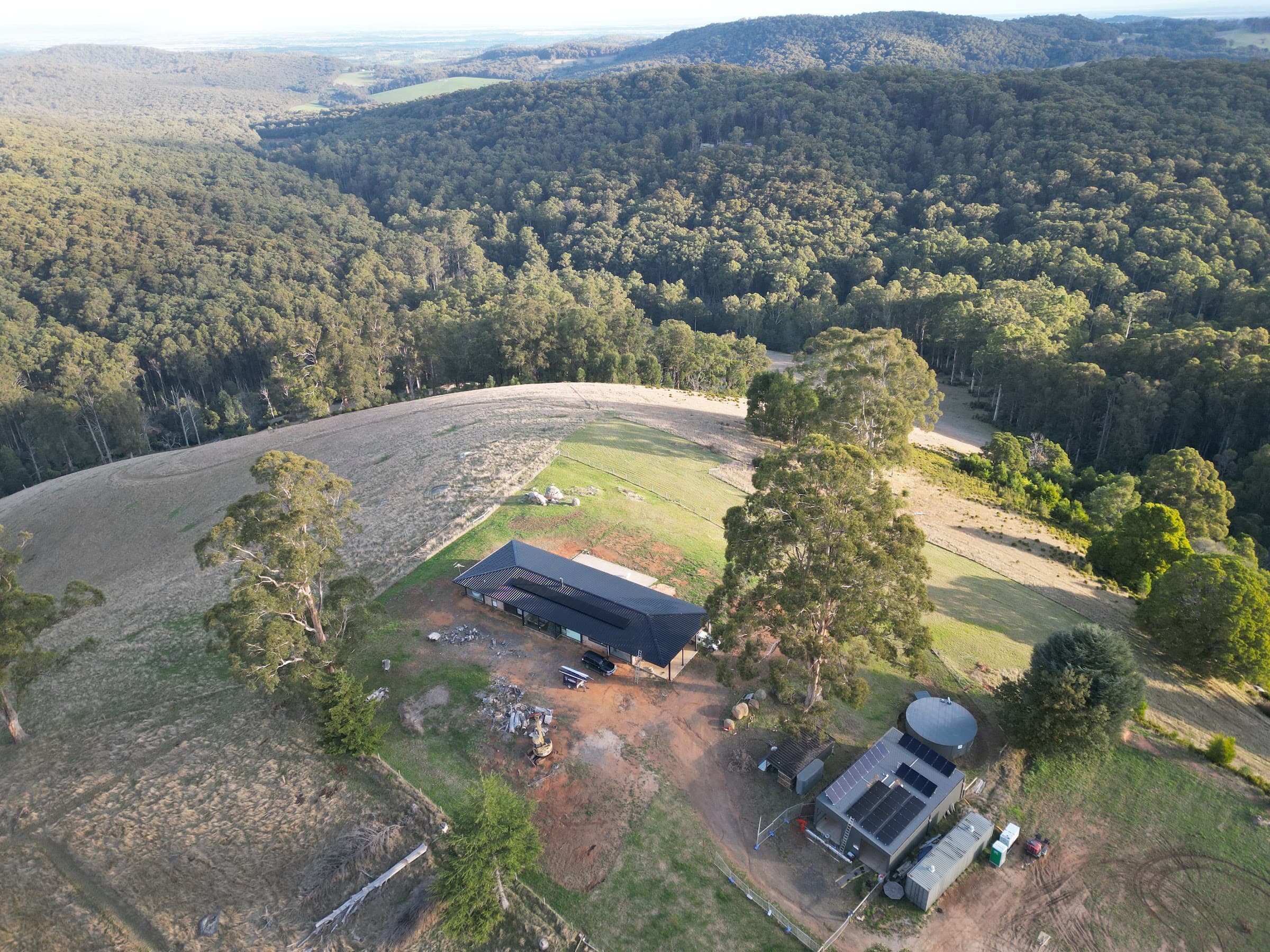
Where it is, what is on it, and what you need to run. We will tell you honestly whether standalone power stacks up and what it would take.