
PowerPlus Energy
Batteries from Melbourne, built for the bush.
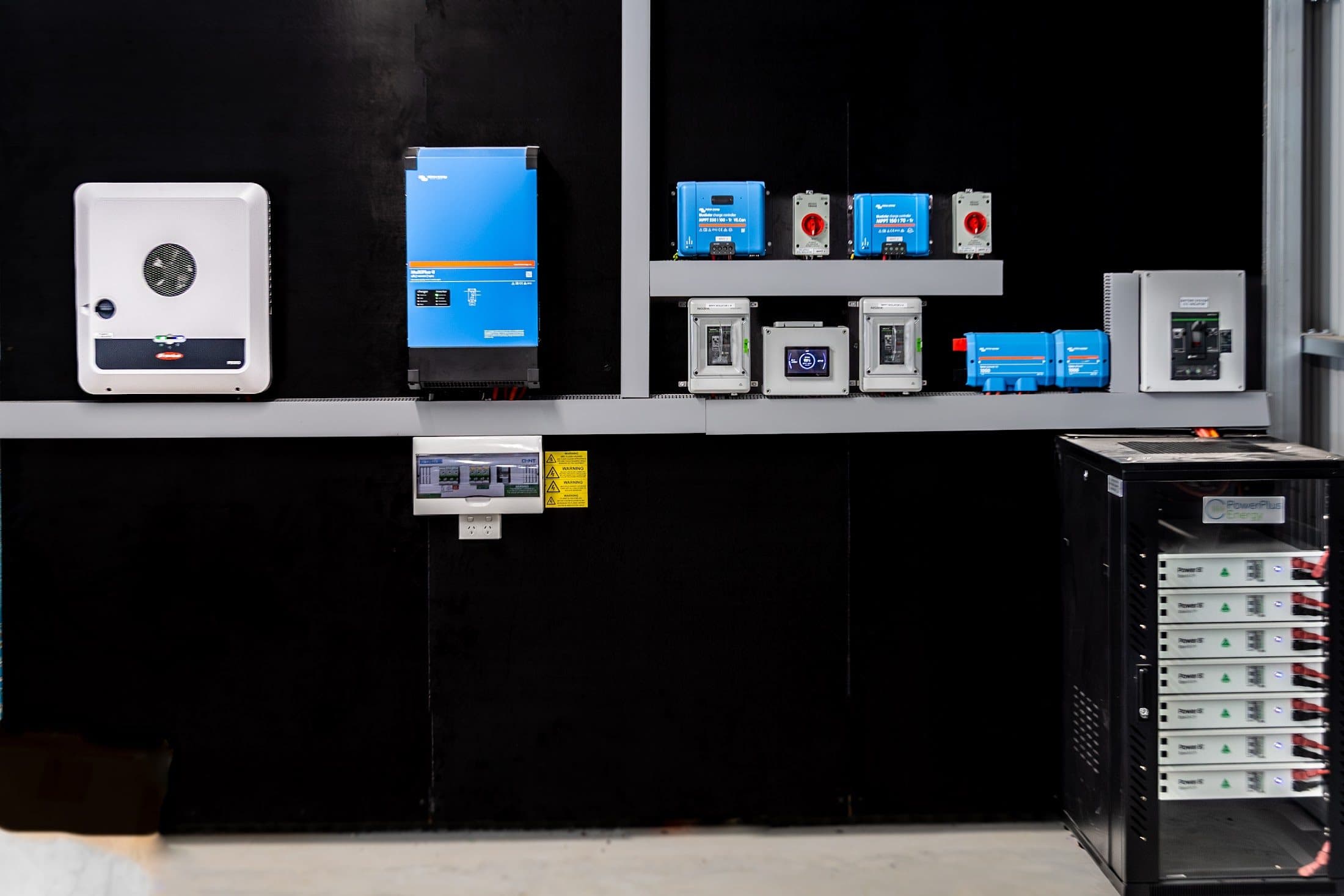
PowerPlus Energy designs and builds lithium batteries in Scoresby, in Melbourne's east, and it started out in off grid. Its modules sit in many of the off grid systems we build, usually beside a Victron inverter charger.
At a glance
The short version.
Scoresby
Victorian company, Melbourne factory, founded in 2017
LFP
lithium iron phosphate in every module, no cobalt
3.8 to 5.1 kWh
per module, added one at a time
56 kWh
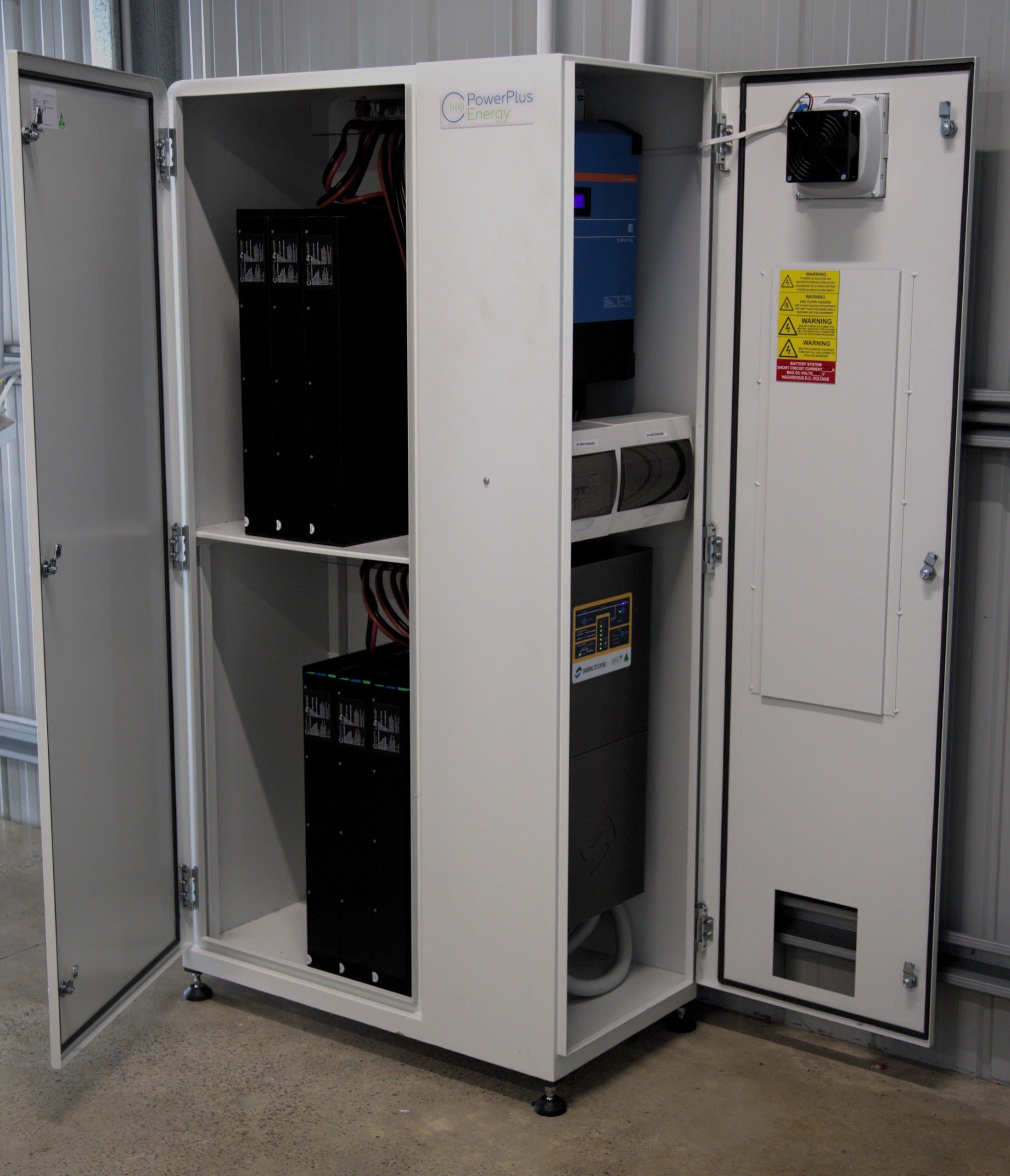
in a single pre wired outdoor cabinet
Figures from PowerPlus Energy's 2025 and 2026 datasheets and cabinet specifications.
Made here
A Victorian battery, backed from Melbourne.
PowerPlus builds its batteries at its factory in Scoresby and is a licensed user of the Australian Made logo for its Eco and LiFe batteries and its cabinets. Warranty and engineering support come from the same place, in Melbourne.
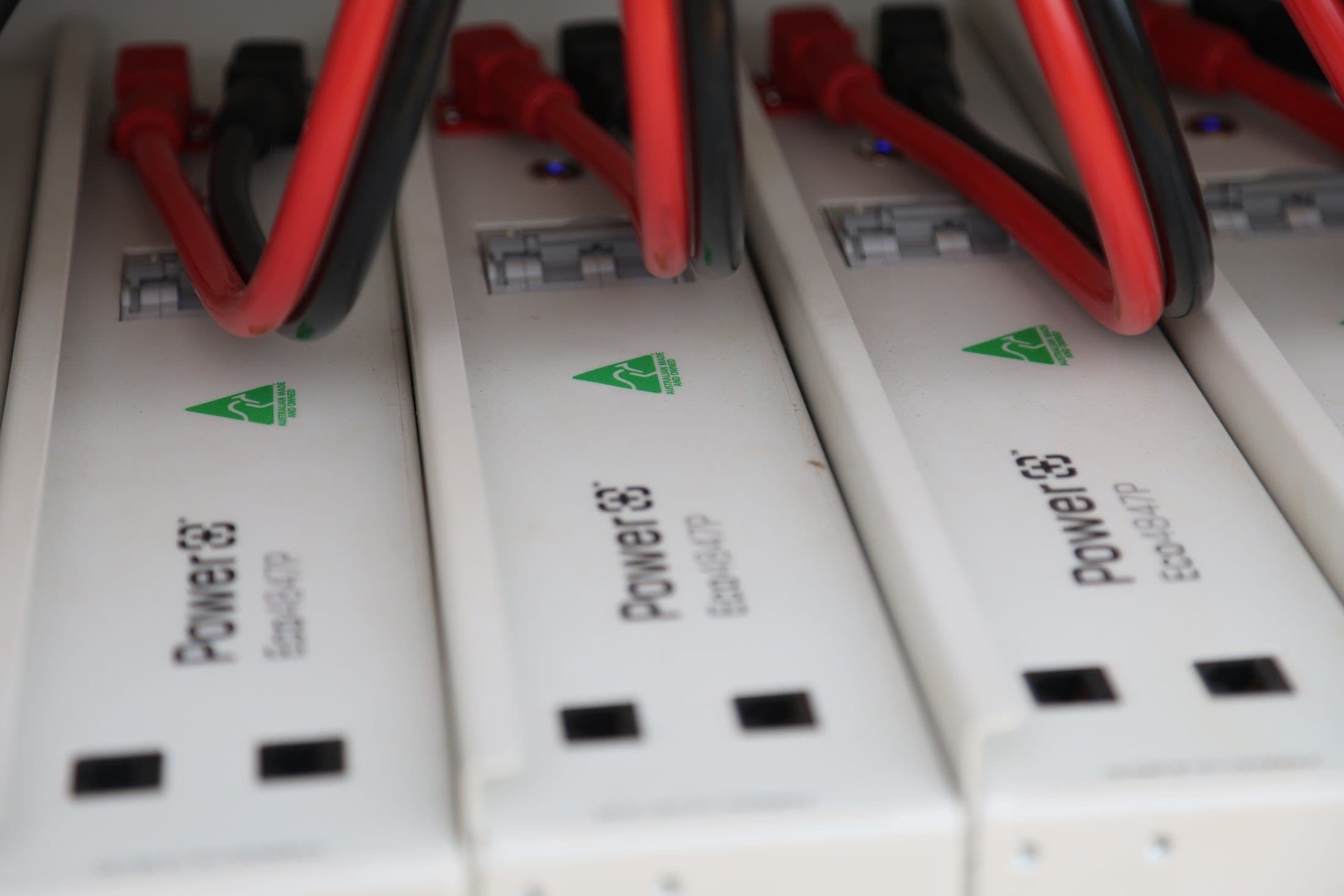
To be exact about it: the LiFe4838P is made in Australia, the Eco4847P has 85% Australian content, and the newer LiFe4851 is engineered and tested here but made in China. Like every lithium battery sold here, the cells themselves are imported.
- Melbourne based engineering and warranty support
- A company that began in off grid and still designs for it
- Pre wired cabinets built to suit the modules, indoor or out
The batteries
Three modules, chosen for the job.
| Module | Capacity | Day to day use | Talks to the inverter | Made | Warranty |
|---|---|---|---|---|---|
| Eco4847P | 4.7 kWh | 3.76 kWh at 80% | Manages itself, set by voltage | 85% Australian content | 5 years, plus 5 pro rata when registered |
| LiFe4838P | 3.8 kWh | 3.04 kWh at 80% | Manages itself, set by voltage | Australia | 10 years, to 80% capacity |
| LiFe4851 | 5.12 kWh | 4.61 kWh at 90% | CAN link, or manages itself | Engineered here, made in China | 5 years, plus 5 pro rata when registered |
Day to day use is the share of the battery PowerPlus recommends cycling. The Eco4847P is on the Clean Energy Council's approved battery list, so it can also go into a grid connected system that claims the federal battery rebate.
Built for off grid
Why we fit it off the grid.
One module at a time
Every module has its own battery management and its own DC breaker. A fault means switching off one module, not the whole bank, and the bank grows the same way.
Pre wired cabinets
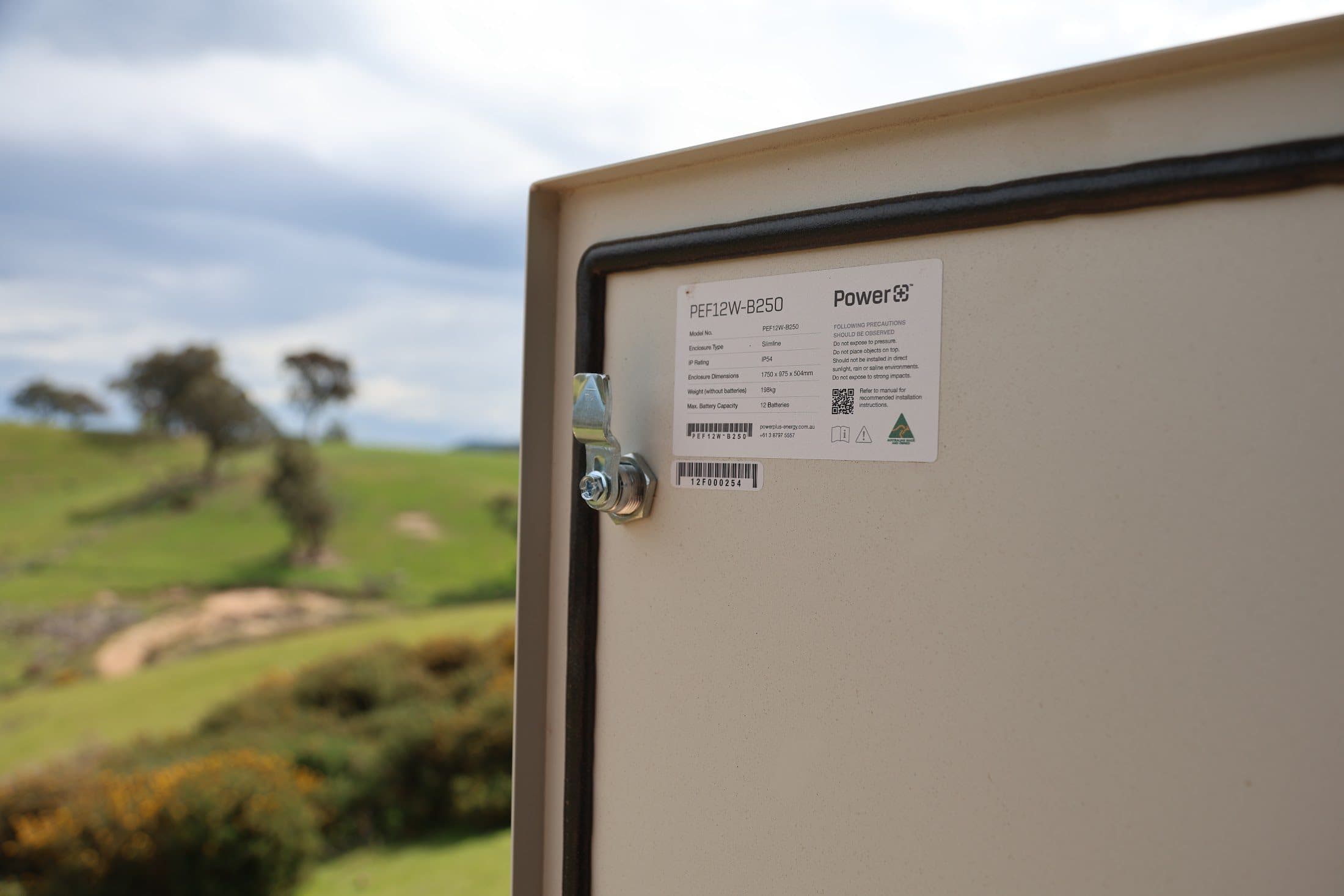
Outdoor cabinets rated IP54 to IP66 hold up to 12 modules, about 56 kWh, wired and ready. Indoor racks suit a shed plant room.
No fans in the modules
They cool by natural convection, so nothing pulls dust through them in a farm shed.
Pairs with the gear we use
PowerPlus publishes its settings for Victron and Selectronic SP PRO inverter chargers, down to how many modules each inverter needs.
With Victron
How it works with a Victron system.
PowerPlus isn't on Victron's own list of batteries it has tested, so we don't pretend it is. The Eco and LiFe 2RU modules manage themselves. We set PowerPlus's published charge and cut off voltages in the Victron inverter and solar chargers, and fit a Victron battery monitor so the system knows exactly how full the bank is.
The newer LiFe4851 goes a step further and talks to the Victron controller directly over a CAN link, so the inverter charges it to the battery's own instructions.
- Charge and cut off limits set to PowerPlus's own guide
- A battery monitor for an accurate charge level on the screen and in VRM
- The inverter's low battery shutdown kept as a backstop
Safety
Safe chemistry, tested.
Lithium iron phosphate
The most stable common lithium chemistry, with no cobalt.
No venting needed
PowerPlus's 2RU modules can be installed without venting under the Australian battery standard, AS/NZS 5139, when fitted to spec.
Tested for fire spread
The LiFe4851 holds UL 9540A, the fire propagation test, along with UL 1973 and IEC 62619.
Straight answers
What to know before you buy.
Does the battery need a full charge regularly?
Yes. The warranty needs every module charged to full at least once every seven days. Off grid in a Victorian winter, that is a design point: we size the solar to get there, or set the generator to run a weekly top up charge.
Are they all made in Australia?
No, and we won't tell you they are. The LiFe4838P is made in Australia and the Eco4847P has 85% Australian content. The LiFe4851 is designed and tested in Melbourne and made in China. The cells in all of them are imported.
What is the warranty?
The LiFe4838P has a 10 year warranty to 80% capacity. The Eco4847P and LiFe4851 have 5 years, then a further 5 years paid on a sliding scale once the battery is registered. We register every battery we install.
Can I add to my existing PowerPlus bank?
Usually, but not across generations. An Eco4847P can't join an older Eco4840P bank, and LiFe4838P modules either side of a serial number change can't be mixed. We check the serial numbers before we quote.
How long will it last?
It depends on how deep the bank is cycled each day. On PowerPlus's figures a LiFe4838P is rated for about 7,000 to 10,000 cycles at 50% depth, and fewer at deeper cycles. Sizing the bank so it rarely goes deep is the best thing you can do for its life.
Also from us
The rest of the gear we fit.
Building off grid?
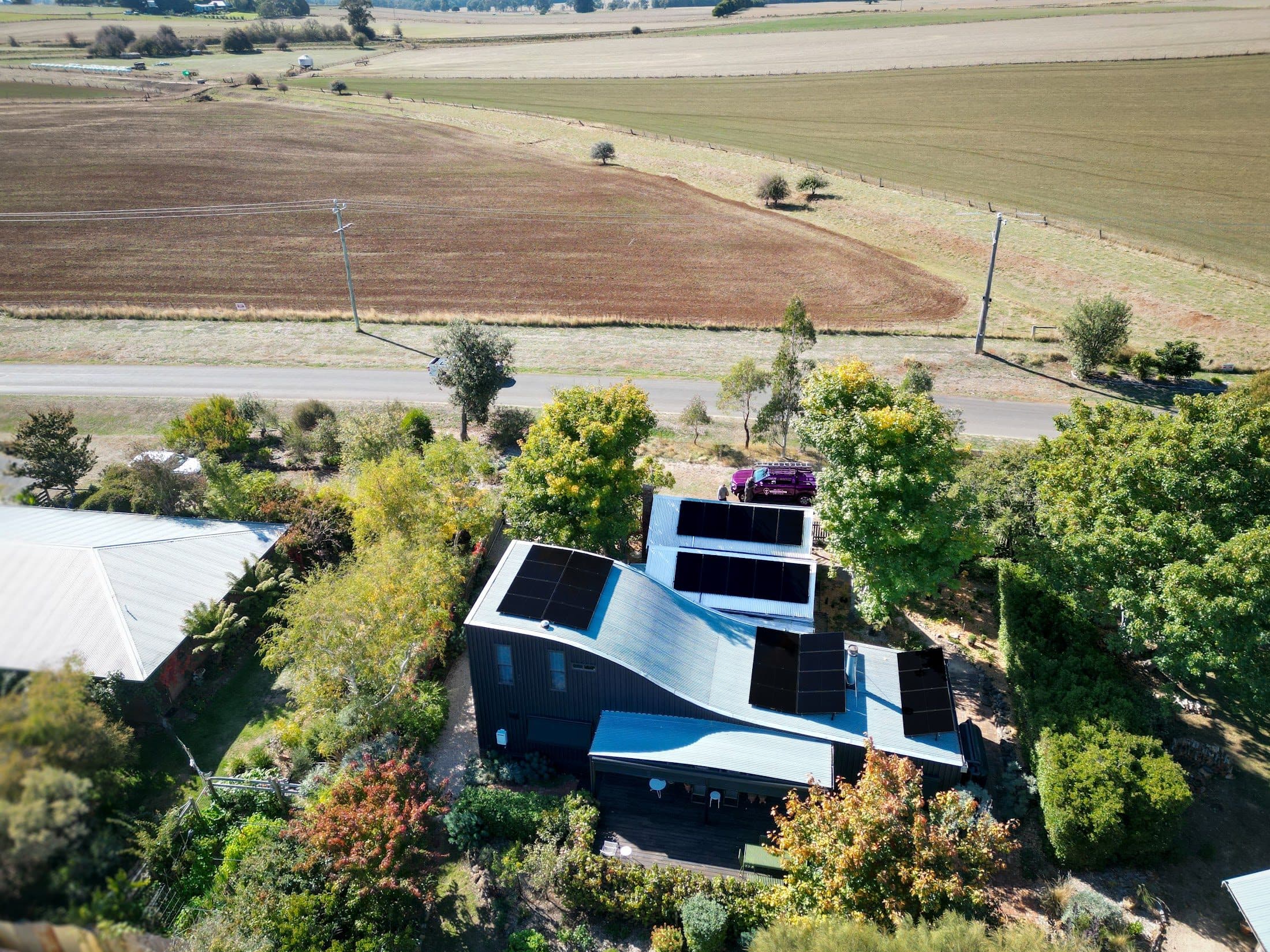
Tell us about the property and what needs to run. We'll size the battery bank, the solar and the generator together.