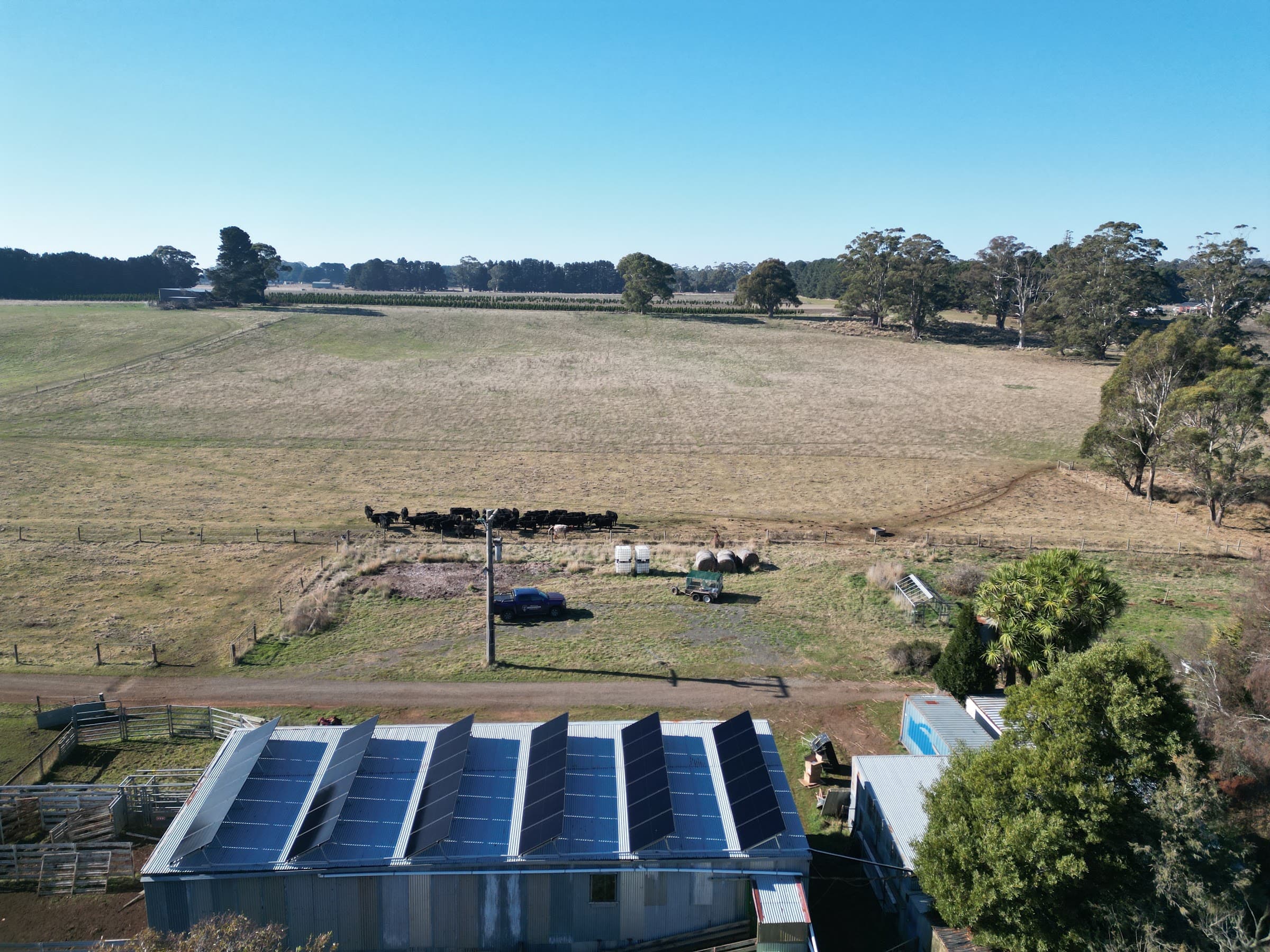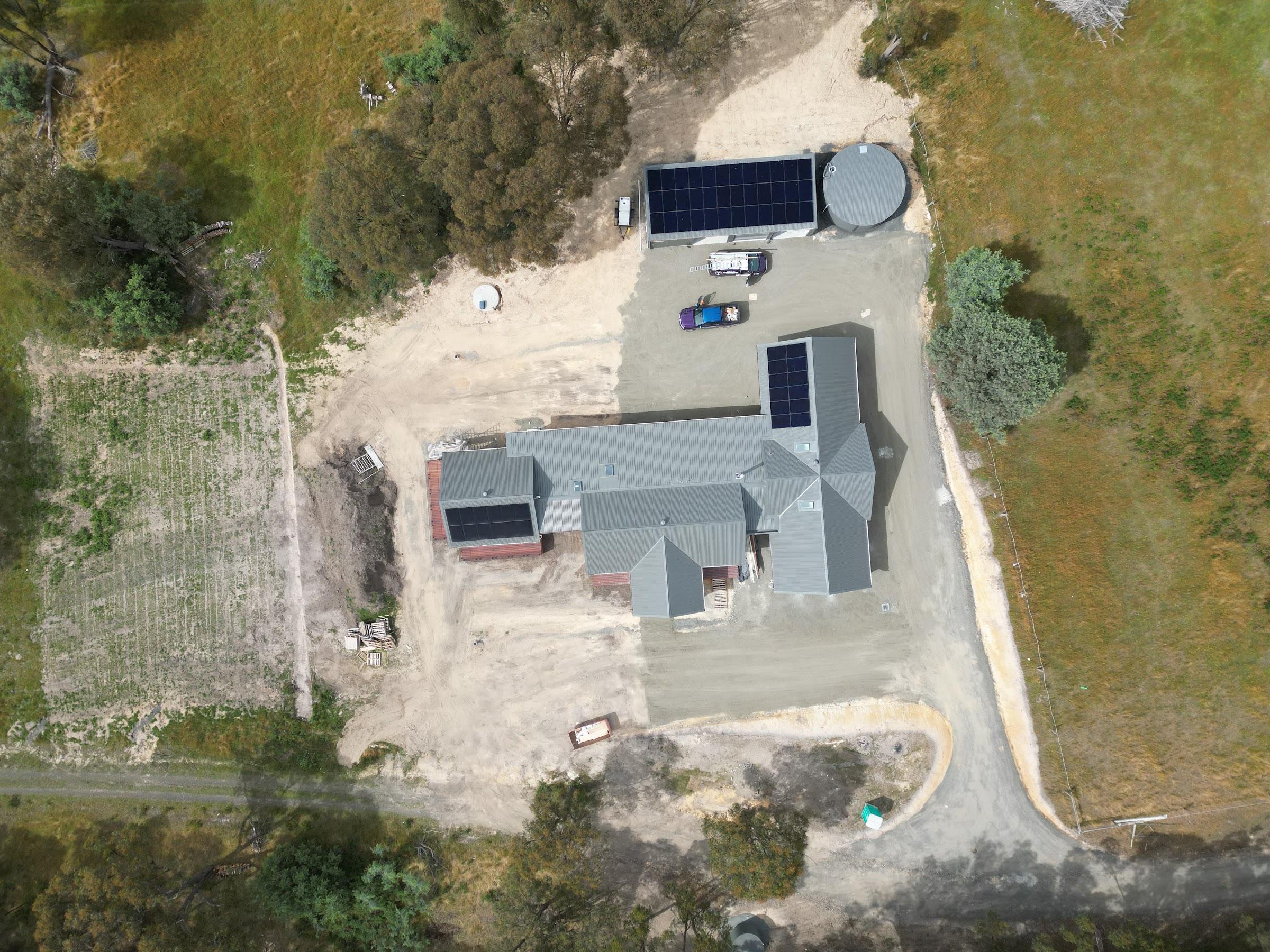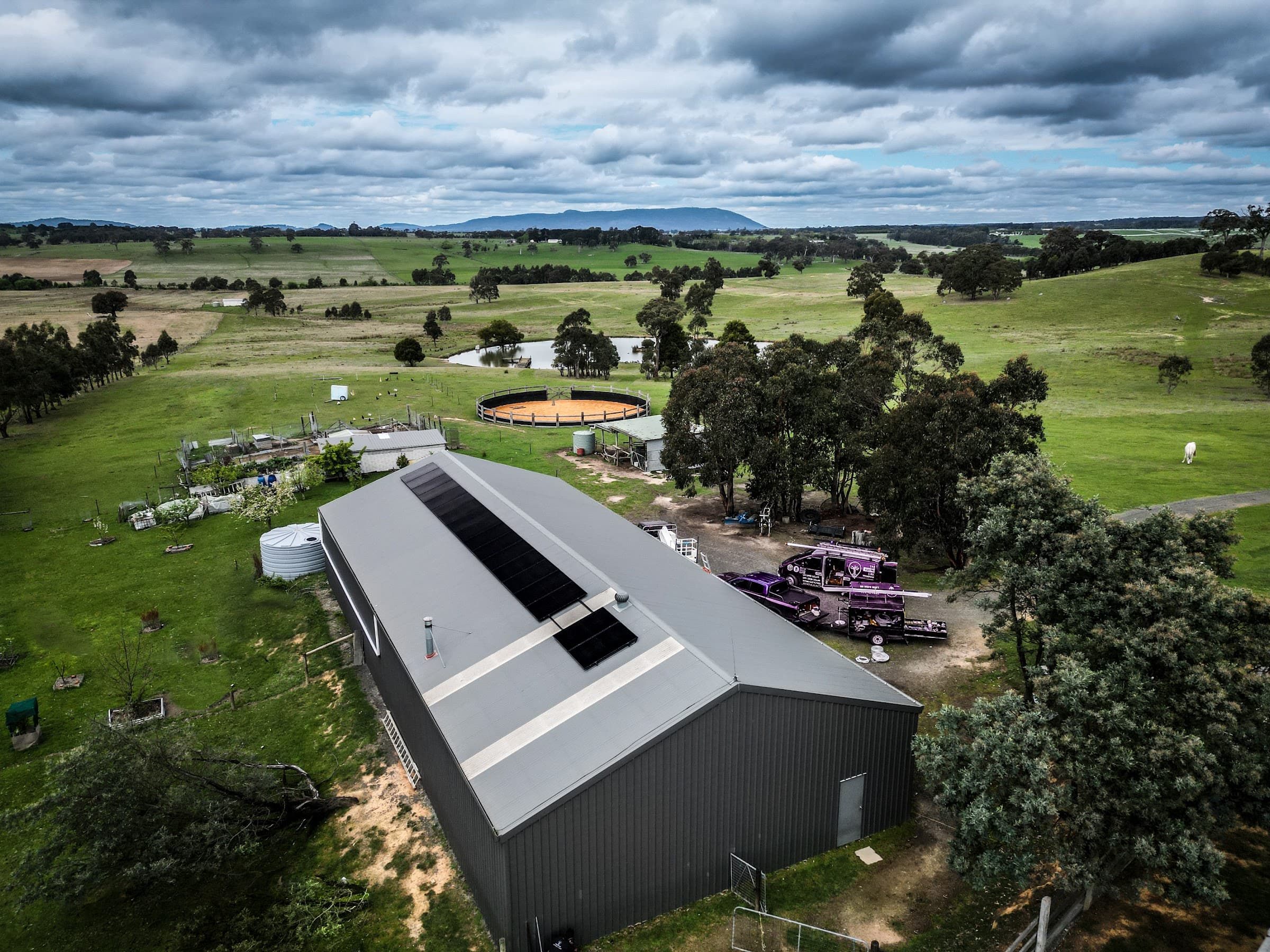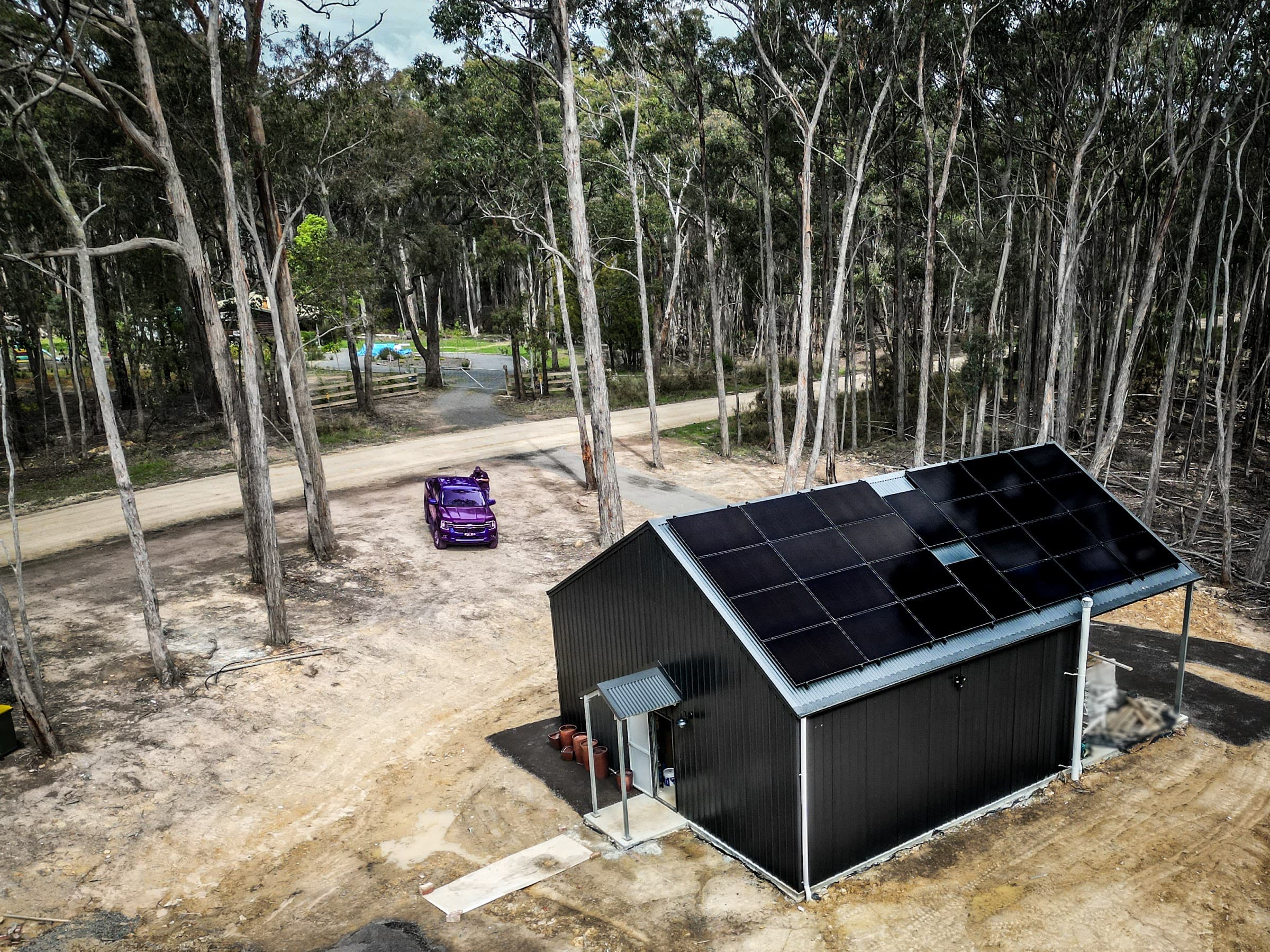
What it costs to connect electricity to a new house in Victoria, how long it takes, and when going off grid is worth pricing beside the quote.
The cost to connect power to a new house in Victoria depends almost entirely on whether the network already reaches your block. Where it does, Powercor says typical new connection costs run from $600 to $4,100, plus any pit, and the process usually takes 4 to 10 weeks. Where the line has to be extended, the cost can run into the tens of thousands, and that is when going off grid is worth pricing beside the quote. Neither is cheaper everywhere: the block decides.
How much does it cost to connect electricity to a new house?
On a block where supply is readily available, Powercor's page says typical new connection costs range from $600 to $4,100, depending on phasing and metering, and that these are on top of any pit installation costs. Powercor doesn't say on that page whether the range includes GST, so ask when you apply. As at November 2026, AusNet publishes no single figure and points customers to its online cost calculator.
"Readily available" has a precise meaning. Powercor says supply is readily available when it doesn't need to upgrade or extend the network to support you. If it does, you get a quote for the network work, and that is where the numbers change. Powercor's indicative guide, at April 2024 prices including GST, puts a 230 volt cable and pit off an existing overhead line at $6,543 for up to 10 metres and $17,772 for up to 50 metres, and a rural single phase high voltage extension of up to 250 metres with a transformer at $59,728. Our Powercor connection cost page covers that guide and what it leaves out.
On top of the network's charge, your own electrician runs the consumer mains from the pit or pole to your switchboard. Powercor's page tells owners to engage a registered electrical contractor to install cables from the pit to the main switchboard, and that work is priced by your electrician, not the network.
What is involved in a new connection on a new block?
A registered electrical contractor does most of it for you. Powercor's steps for a new home are:
- Engage a registered electrical contractor early, so upgrades and costs show up before the build is locked in.
- Find out whether supply is readily available at your address.
- If it is, the contractor lodges the request through Powercor's eConnect portal. Powercor says only a qualified registered electrical contractor can submit a new connection application, and all works need a Certificate of Electrical Safety.
- If it isn't, or you need a larger supply, the request goes through Powercor's mySupply portal with a site plan, and you receive an offer with the cost and a project timeline.
- Once the connection is in, a retailer of your choice puts a meter on and starts billing.
AusNet works the same way in principle with its own names: a basic connection, a standard connection, or a negotiated connection for sites that need network changes or carry restrictions such as bushfire risk or cultural significance. For those it offers a preliminary estimate first, and AusNet says the fee for that assessment is deducted from the construction cost if you go ahead.
How long does it take to connect power to a new house?
Powercor says that in most cases a readily available connection takes 4 to 10 weeks, and that timelines vary because the process relies on third parties. A network extension is a different project with its own timeline in the offer, which can include design, permits, tree clearing and construction. Lodge early. A builder's temporary supply also goes through the same process, so it pays to sort the connection before the slab, not after the frame is up.
What makes a rural connection expensive?
Distance from a suitable line, trees, a transformer, three phase supply and going underground. Powercor's guide notes that tree clearing, stump treatment and removal of debris along the route are the customer's to arrange and pay for, that Aboriginal heritage work, where needed, starts at over $10,000, and that a typical connection is allocated a maximum of 10 kW, or 40 amps total. If you plan a workshop, an EV charger and a bore pump, check that the offer gives you enough capacity.
Any poles and lines on your side of the point of supply are yours to maintain for as long as you own the block.
How much does it cost to go off grid?
It depends on what the house uses in winter, which sets the array, the battery, the inverter and the generator. A small, efficient house with gas free cooking and a heat pump needs a very different system from a large house with ducted heating and a pool. Our off grid cost guide explains what decides the number, and our free sizing tool turns your loads into a starting system in a few minutes.
Two rebates reach the off grid side as at November 2026. The Clean Energy Regulator's Cheaper Home Batteries program covers an off grid battery installed on a dwelling that is lived in, with the number of certificates per kWh stepping down every six months. Solar Victoria's solar panel rebate of up to $1,400 is open to off grid homes that meet its criteria.
Is it cheaper to go off grid than to connect?
Not when the grid is already at your boundary. A connection in the hundreds or low thousands of dollars is far less up front than any off grid system that will run a house through a Central Victorian winter. When the quote is for a long extension, a new transformer or an underground run through timber, the comparison becomes real and is worth doing properly.
Compare like with like. A grid connection buys a wire to the boundary, then a daily supply charge and an energy bill for as long as you are connected, and solar and a battery on top if you want them. An off grid system buys the generation, the storage and the backup outright, then generator fuel in the darkest weeks, servicing, and a battery that will eventually need replacing. Which costs less over time depends on your usage and the prices you pay, so set your own figures side by side. Our page on off grid or a grid connection goes through where each one wins.
What should I decide before the build starts?
Whether you are connecting or not, and where the power comes in. An off grid house is easier and cheaper when the array, the battery cabinet and the cable runs are on the drawings before the slab is poured. We have written up what to tell your builder and architect for an off grid new build, so we won't repeat it here.
If you are connecting, get the network's quote in writing before you settle on where the house sits on the block. Moving the house 100 metres further from the road can move the connection cost a long way.
Mick McDonald
Technical Director, Trentham Energy
Questions about your own system? Call 1300 3458 00 or send us a message.
Sources