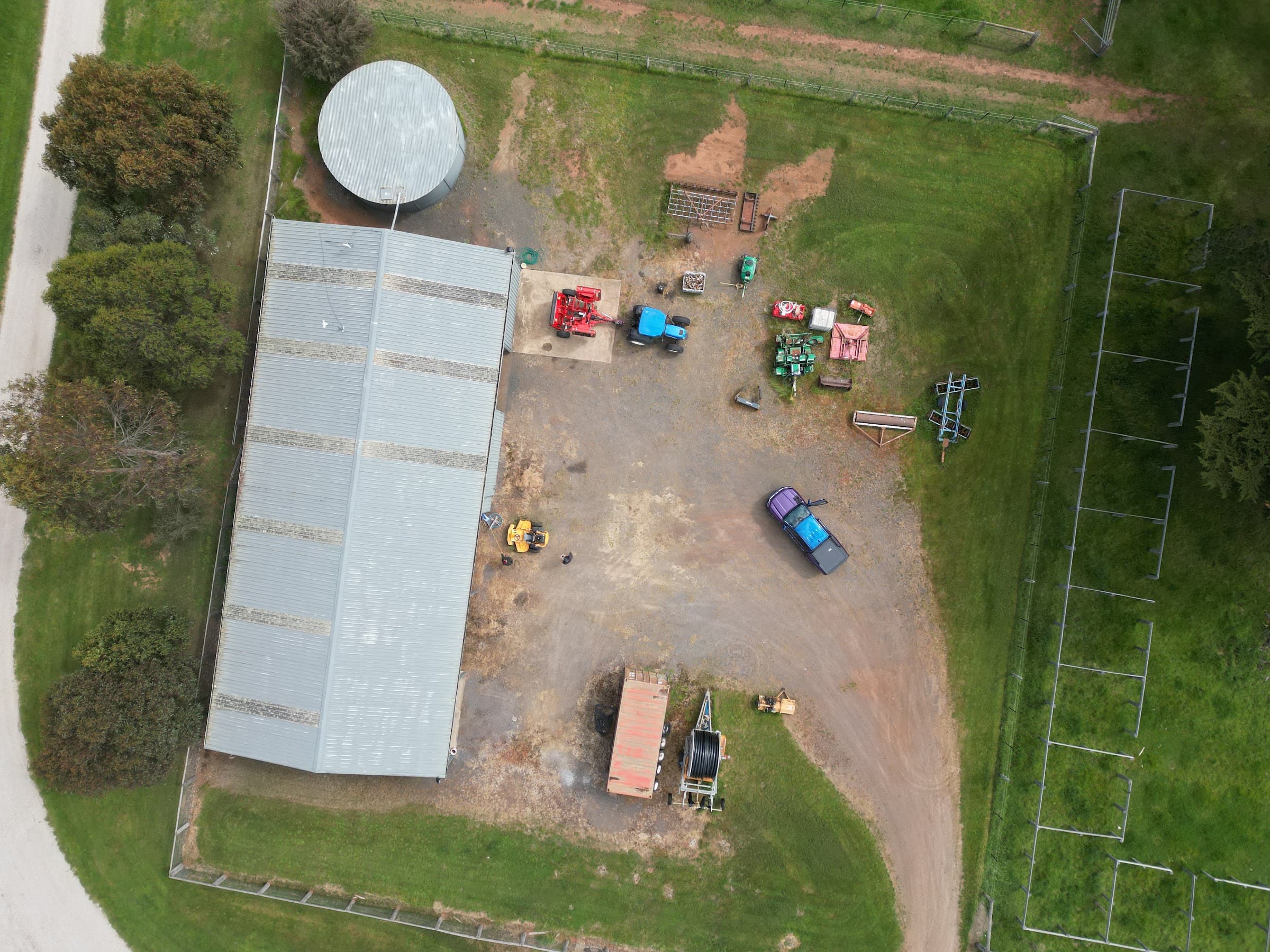
Dairy Australia puts the average shed at 48 kWh per kilolitre of milk, mostly at milking time. How solar, a battery and hot water timing fit the peaks.
A dairy shed uses most of its power at milking, morning and evening, while solar makes most of its power in the middle of the day. That mismatch is the whole question. Solar on its own covers the vat cooling between milkings and the hot water if you move it to the day; a battery carries midday solar into the evening milking, which on a time of use tariff is the dearest power the shed buys. The best results come from doing the cheap timing changes first and sizing the battery for what is left.
Where the power goes in a dairy
Dairy Australia's Saving energy on dairy farms booklet (2023 update) draws on more than 1,400 shed energy audits run since 2012. Its figures:
- the national average is 48 kWh per kilolitre of milk, and bigger herds use less per kilolitre
- milk cooling is 42 percent of shed energy
- milk harvesting (vacuum pumps, milk pumps, rotary drives) is 21 percent
- hot water is 17 percent of use, and the booklet says water heating accounts for about a quarter of on farm energy costs
- cleaning and effluent 9 percent, stock water 4, shed and lights 4, feed 3
Cooling, harvesting and hot water together are about 80 percent. A shed producing 600,000 litres a year at the national average uses about 28,800 kWh a year, or around 79 kWh a day on average, rising and falling with the milk through the season.
Why solar alone falls short in a dairy
The booklet is blunt about it: typical dairies have their maximum demand during morning and evening milking, solar peaks around midday, so much of a solar system's output is not used in the shed unless the farm changes when it uses power. Its suggestions are practical:
- run the water heaters, ice banks or chillers, and stock water pumping in the solar window or on off peak power
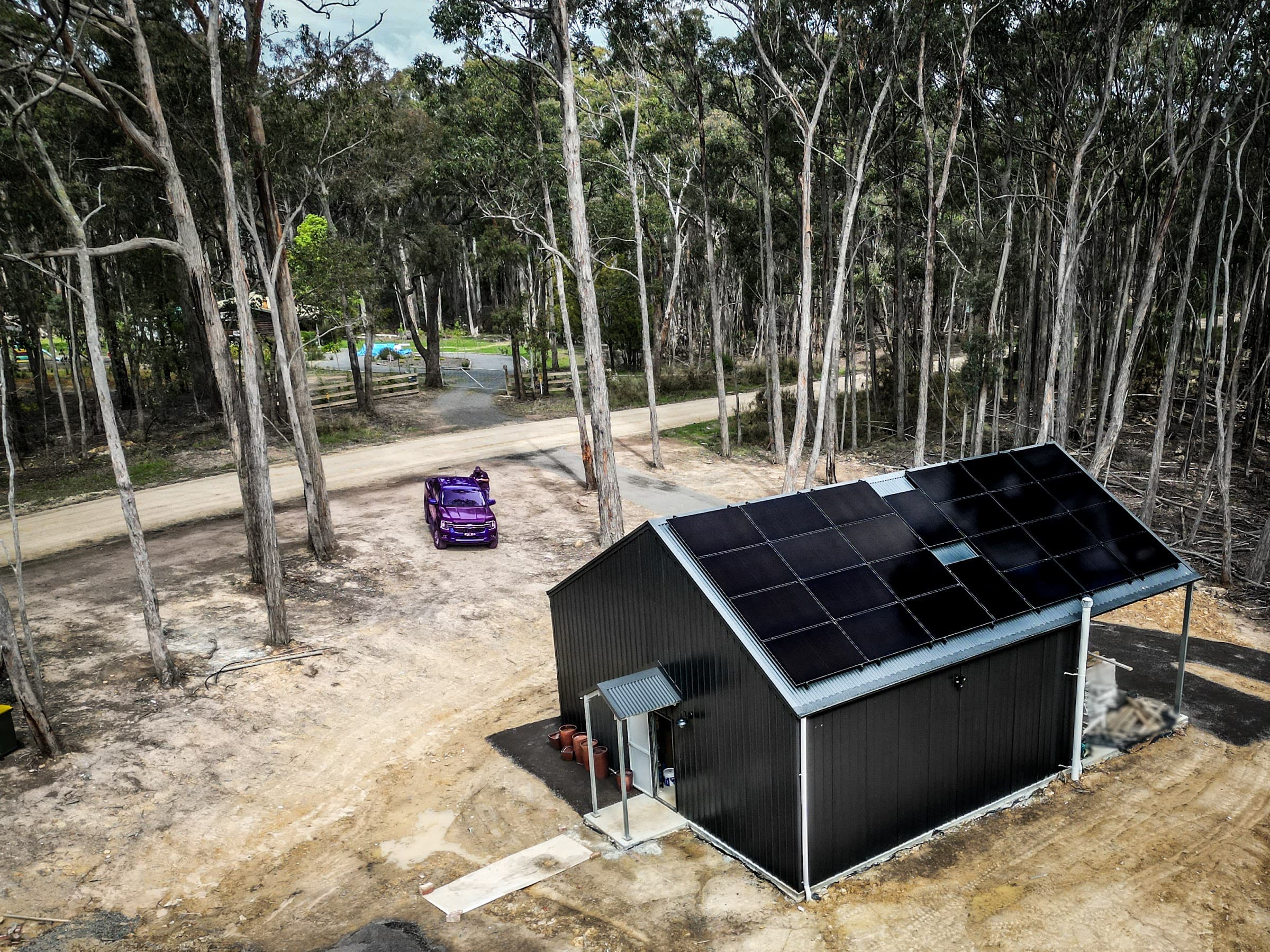
- face some panels east and some west to lift generation closer to milking times
- add storage to carry daytime solar into the evening and to cut demand charges
Two Victorian dairies in Agriculture Victoria's Energy Smart Farming case studies show the shape of it. A 200 cow dairy at Oxley Flats near Wangaratta installed 13.2 kW of solar and four 270 litre heat pumps that preheat wash water to about 60 degrees before the electric service lifts it to 90; the owners report using more of their solar on farm than they export. A 600 cow dairy at Tatura added 38 kW of solar running water heating, milk cooling, grain milling and stock pumping, plus a glycol rapid chiller whose heat recovery heats water to 55 degrees.
Hot water and cooling are storage you already own
Before buying a battery, use the storage in the shed. Dairy Australia lists hot water storage, chilled glycol or ice banks, and overhead water tanks as forms of energy storage alongside batteries.
- Hot water. Size the heater to hold the whole day's wash so it can heat on solar or off peak. The booklet says preheating to 60 to 65 degrees with solar or a heat pump and boosting with the dairy heater can save more than 40 percent of water heating electricity. See our hot water page for the heat pump side.
- Heat recovery. A unit between the vat compressor and its condenser captures heat the cooling system would otherwise throw away.
- Cooling. A chiller or ice bank that builds its cold during the solar window shifts part of the cooling load out of milking time.
What a battery does at milking time
Once hot water and cooling are shifted, what remains at milking is the vacuum pump, milk pumps, the vat compressor running hard and the lights. That is the load a battery carries.
The tariff decides what it is worth. On the Victorian Default Offer for a small business on Powercor's network from 1 July 2026 (for sites using less than 40 MWh a year), the two period time of use tariff charges 36.29 cents per kWh including GST from 9 am to 9 pm on weekdays and 19.21 cents at all other times. An early milking that finishes before 9 am is already off peak. The evening milking sits in peak on weekdays.
A worked example with the inputs shown:
- the battery moves 30 kWh of midday solar into the evening milking each day (assumed)
- without the battery that solar would have been exported at an assumed 5 cents per kWh (the Essential Services Commission no longer sets a minimum feed in tariff, so retailers set their own, with a floor of zero)
- 261 weekdays at 36.29 minus 5 cents is about $2,450
- 104 weekend days at 19.21 minus 5 cents is about $440
That is roughly $2,890 a year, before battery losses. A shed on a demand tariff can do better, because the battery also trims the kW peak the network bills on. Check your own tariff first; our energy plan finder ranks small business plans against your interval data.
Sizing it properly
Start with interval data from the meter, not the bill total, so you can see the milking peaks and how big they are. Then:
- shift hot water and cooling into the day first, because it costs little
- size the array for the daytime load plus what the battery will store
- size the battery for the evening milking load that is left, not the whole day
- check the supply: if the shed is three phase the inverter and battery have to suit it, and any export limit on your connection caps what the array can send out
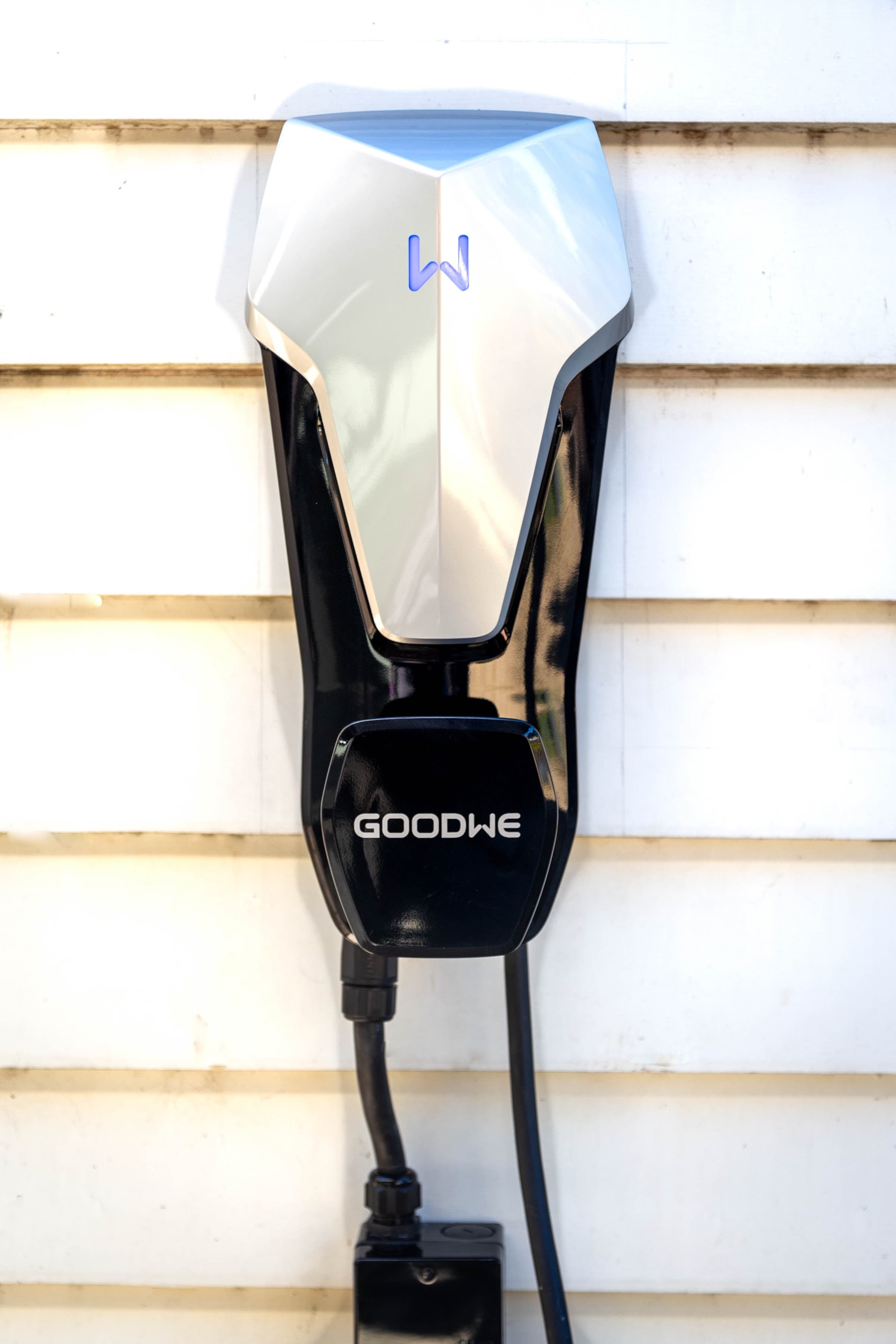
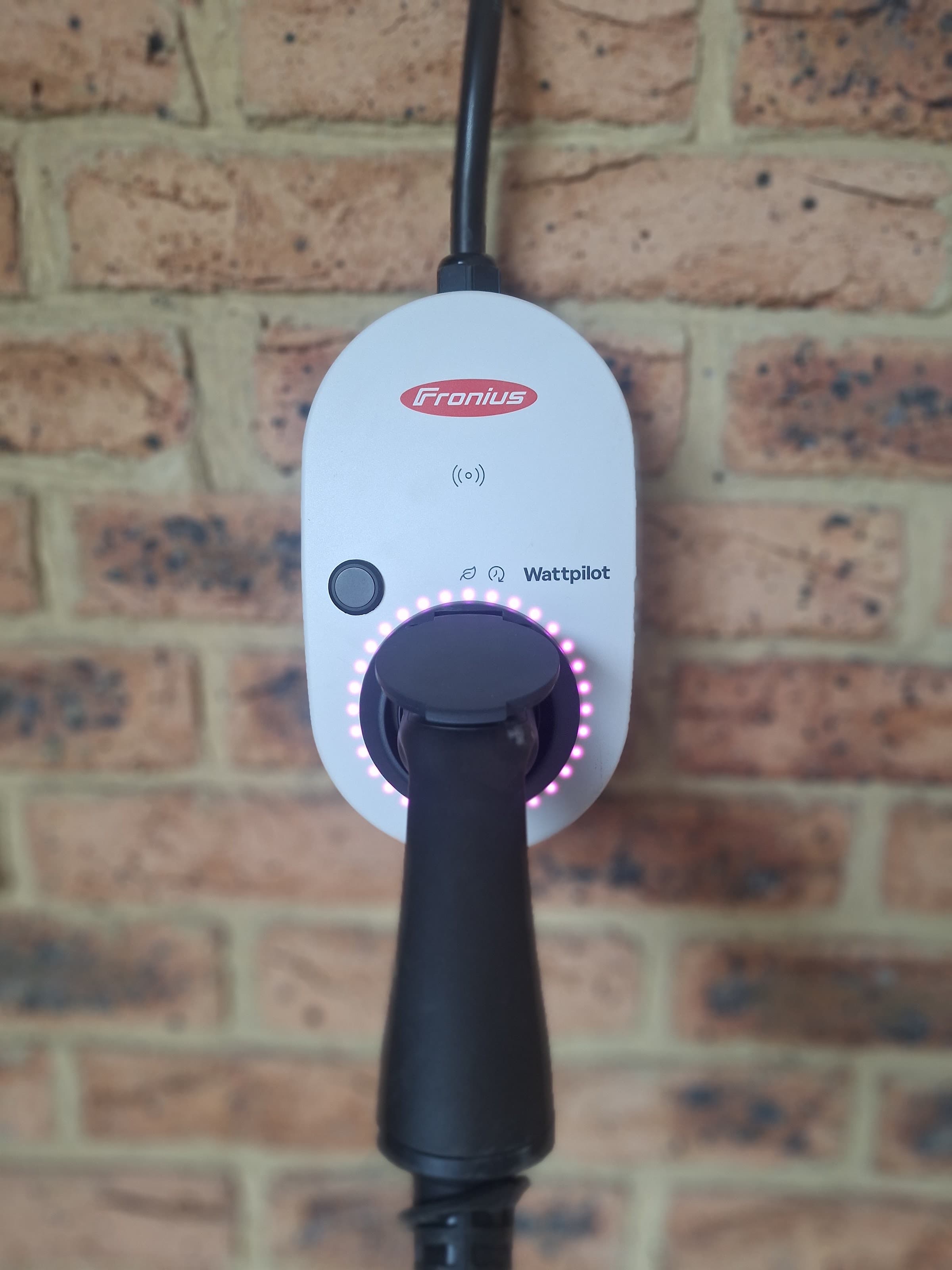
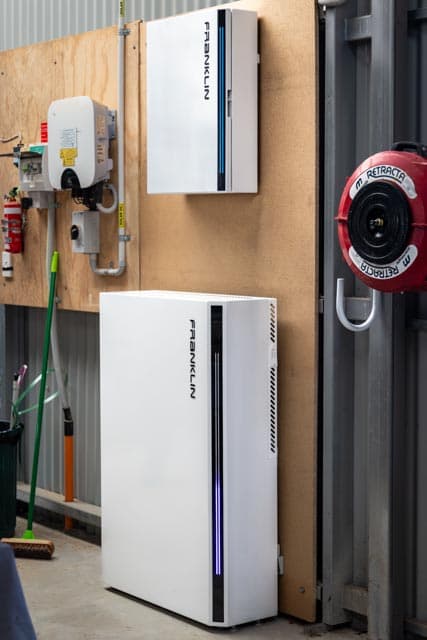
We install Sigenergy SigenStor, a hybrid inverter with stackable 6 and 9 kWh battery modules, and Fronius, GoodWe and BYD equipment; which suits a shed depends on the phase, the load and the export limit.
Questions
How much power does a dairy shed use?
Dairy Australia's audits average 48 kWh per kilolitre of milk, with larger herds using less per kilolitre. Multiply your annual litres in kilolitres by 48 for a first estimate, then check it against your bills.
Is a battery worth it on a dairy?
It depends on the tariff and on what is left after hot water and cooling are moved into the day. On a time of use tariff the battery is worth the gap between the peak rate and what the exported solar would earn, times the kWh it shifts. Work that number out with your own tariff before deciding.
Should dairy solar face north?
North gives the most energy over a day. Dairy Australia suggests facing some panels east and west to bring generation closer to milking times, which can make more of the output usable in the shed even though the total is a little lower.
Can solar run the vacuum pump during milking?
Only the part of milking that happens in daylight, and only up to what the panels are making at that moment. A variable speed drive on the vacuum pump cuts its draw, which Dairy Australia lists among the main harvesting savings, and makes a battery's job smaller.
Send us twelve months of meter data and your milking times and we will come back with a right sized design, or ask via our contact page.
Sources
- Dairy Australia, Saving energy on dairy farms (2023 update)
- Energy Smart Farming, Saving energy on dairy farms (Agriculture Victoria, February 2024)
- Energy Smart Farming, Johnson dairy case study, solar and heat pumps
- Energy Smart Farming, McCarthy dairy case study, milk chilling
- Essential Services Commission, Victorian Default Offer 2026 to 27
- Essential Services Commission, minimum feed in tariff
Written by the Trentham Energy team.