With diesel near 280 cents a litre, a diesel ute costs about $20 per 100 km in fuel. An electric ute on grid power costs about $6, and on solar far less.
At the end of October 2026, diesel in Victoria sits at about 280 cents a litre, and a diesel HiLux on the official test uses 7.2 litres per 100 km, so it burns about $20 of fuel every 100 km. A battery electric ute charged from the grid at Powercor's default rate costs about $6 per 100 km, and charged from your own solar it costs well under $2. The catch is the choice of ute: only a handful are on sale, they tow less or tow on petrol, and range drops when they work hard.
What is actually on sale in October 2026
There are two kinds of plug in ute in Australian showrooms: fully electric utes that run only on the battery, and plug in hybrids that run on the battery for a short distance and then on a petrol engine. Prices below include GST.
- Toyota HiLux BEV. Priced from $74,990 for the SR cab chassis to $82,990 for the SR5 pick up, before on road costs, announced on 31 March 2026 and on sale from the middle of the year. It has a 59.2 kWh battery and a claimed range of up to 315 km on the NEDC estimate. It is rated to tow 2,000 kg braked, against 3,500 kg for the diesel HiLux.
- BYD Shark 6. A plug in hybrid with a 29.58 kWh battery and a claimed electric only range of 100 km, after which a petrol engine takes over. Drive away prices on CarExpert run from $62,021 to $69,231 on a Sydney basis. BYD rates the Dynamic and Premium to tow 2,500 kg and the Performance to tow 3,500 kg.
- Ford Ranger PHEV. A plug in hybrid with an 11.8 kWh battery and a claimed 49 km of electric range on the WLTP test, rated to tow 3,500 kg. It launched from $71,990 before on road costs for the XLT. The NRMA's reviewer averaged about 36 km per charge, about a quarter below the claim.
- KGM Musso EV and LDV eT60. The RACV puts the Musso EV from about $60,000 drive away and the eT60 closer to $100,000 drive away.
The running cost arithmetic, with the inputs
Here are the inputs, so you can swap in your own.
- Diesel: 280.1 cents a litre, the Victorian median on 30 October 2026 from the state's Servo Saver data.
- Diesel ute: 7.2 litres per 100 km, the official combined figure for a 2026 HiLux SR5 automatic 4x4.
- Electric ute: 18.8 kWh per 100 km out of the battery (59.2 kWh over 315 km for the HiLux BEV), plus 10% lost in charging, so 20.7 kWh per 100 km from the wall.
- Grid power: Powercor's Victorian Default Offer from 1 July 2026, including GST: 28.22 cents per kWh on the flat tariff, or 17.26 cents in the 11 am to 4 pm solar soak window on the time of use tariff.
- Distance: 15,300 km a year, the average for a light commercial vehicle in the ABS's final Survey of Motor Vehicle Use (year to June 2020).
What that gives you:
- Diesel HiLux: 7.2 litres at $2.801 is $20.17 per 100 km, or about $3,086 a year.
- HiLux BEV on the flat grid rate: 20.7 kWh at 28.22 cents is $5.84 per 100 km, or about $894 a year.
- HiLux BEV charged in the solar soak window: 20.7 kWh at 17.26 cents is $3.57 per 100 km, or about $547 a year.
- HiLux BEV charged from your own panels: the cost is the export payment you give up. Retailers now set their own feed in rates and some advertise up to 8 cents for the first block of exports. At 8 cents that is $1.66 per 100 km, or about $253 a year.
Official figures flatter every vehicle. If the electric ute uses a third more energy than its claim on country roads, the flat grid figure rises to about $1,190 a year, which is still well under the diesel. Diesel use rises too when the tray is loaded.
Plug in hybrids depend on the plug
A plug in hybrid is only cheap to run while it is on the battery. Once the charge is used, the Shark 6 and the Ranger PHEV burn petrol, which was 239.6 cents a litre for unleaded 91 in Victoria on 30 October 2026.
If your daily run is inside the electric range and the ute is plugged in every night, most of your kilometres cost the electric rate. If the ute does a 200 km round trip to Ballarat or Bendigo most days, most of those kilometres are on petrol, and the battery is extra weight you paid for.
Towing and range, honestly
This is where diesel still earns its place. The HiLux BEV tows 2,000 kg against the diesel's 3,500 kg. The plug in hybrids keep a 3,500 kg rating, but a heavy float or a loaded trailer will use the battery up quickly, so in practice the petrol engine does the towing.
Range claims are measured empty on a test cycle. Cold mornings, hills around Trentham and Blackwood, a loaded tray and gravel all cut real range. The NRMA's Ranger PHEV result, about 36 km against a 49 km claim, is a fair guide to the gap.
Charging a ute from your own solar
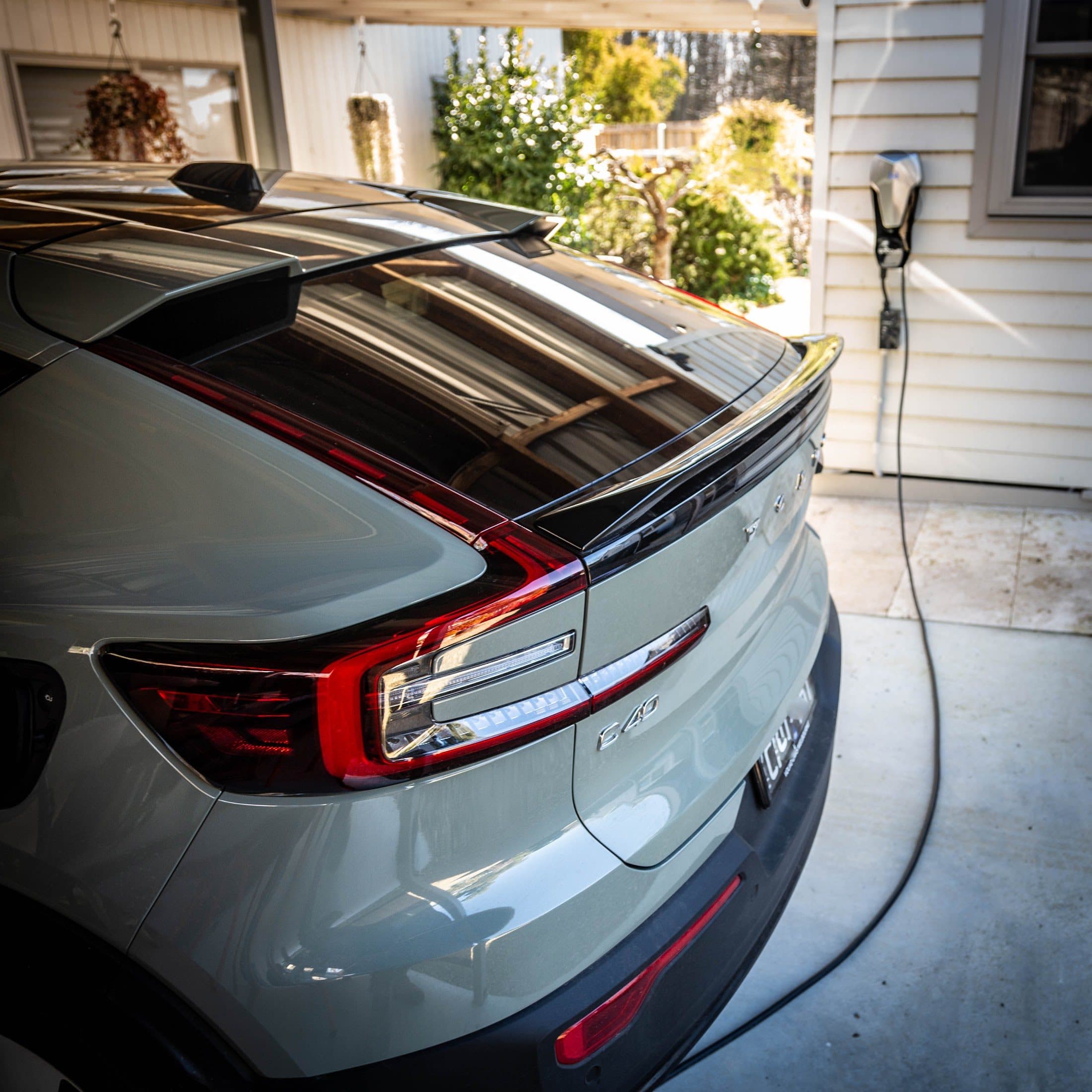
The cheapest kilometres are the ones you charge from your own roof in the middle of the day. Our article on charging an EV from solar on a farm or off grid covers solar only charging modes and what to watch on an off grid system, and the EV charging page explains single phase, three phase and Sigenergy DC charging.
Charge time matters on a working ute. The HiLux BEV takes about 6.5 hours from 10 to 100% on a 10 kW AC charger, and about 30 minutes from 10 to 80% on a 150 kW public fast charger. On a 7 kW single phase charger the same top up takes closer to 8.5 hours, which is still an overnight job. The Shark 6 takes 7 kW AC, and the Ranger PHEV charges at 3.5 kW AC.
If you charge from the grid, the plan matters as much as the car. Our free energy plan finder ranks every Victorian plan for your usage, including the plans with free daytime windows.
Which way to go
- Short runs, home every night: a battery electric ute, or a plug in hybrid used mostly on the plug, costs a fraction of diesel to run.
- Long days on the highway or regular heavy towing: diesel is still the practical choice in October 2026.
If you are thinking about an electric ute and want to charge it from the sun, send us a recent bill and your address and we will come back with a right sized design.
Questions
Is an electric ute cheaper to run than a diesel ute in Victoria?
Yes, on fuel alone. With diesel at 280.1 cents a litre and Powercor's 2026 to 27 default rate of 28.22 cents per kWh, a diesel HiLux costs about $20 per 100 km and a HiLux BEV about $6. Charged from your own solar, the electric ute costs less again.
Can an electric ute tow a horse float?
The HiLux BEV is rated to 2,000 kg braked, which covers some single horse floats but not a loaded two horse float. The plug in hybrids are rated higher, but the battery runs down quickly under tow and the petrol engine takes over.
Do I need three phase power to charge an electric ute at home?
No. A 7 kW single phase charger refills a HiLux BEV overnight. Three phase lets the HiLux BEV take its full 10 kW from AC, which shortens the charge. Our EV charging page explains when three phase is worth it.
Can I claim fuel tax credits on my farm ute?
Not for fuel used on public roads in a vehicle of 4.5 tonnes GVM or less, so the diesel figure above is the real cost of road kilometres. Business use off public roads can be eligible, so check the ATO's rules for your own activities.
Sources
- RACV, 2026 Toyota HiLux BEV price, specs and release date (2 April 2026)
- Chasing Cars, Toyota HiLux EV priced for Australia (31 March 2026)
- BYD Australia, Shark 6
- CarExpert, 2026 BYD Shark 6 powertrain and performance
- CarExpert, 2026 BYD Shark 6 pricing
- NRMA, 2025 Ford Ranger PHEV review (11 June 2025)
- CarExpert, 2026 Toyota HiLux SR5 2.8 diesel specifications
- Fuel Crisis, Victorian fuel prices from Service Victoria Servo Saver data (as at 30 October 2026)
- Essential Services Commission, Victorian Default Offer 2026 to 27
- Energy Matters, Victoria solar feed in tariff 2026 to 27 (10 July 2026)
- ABS, Survey of Motor Vehicle Use, 12 months ended 30 June 2020
- ATO, fuel tax credits for business
Written by the Trentham Energy team.