RedEarth Energy Storage, the Brisbane maker of the Troppo, Gecko, BlackMax, BushChook and Dingo systems, is in voluntary administration. What that means for owners and the steps to take now.
RedEarth Energy Storage, the Brisbane company behind the Troppo battery and the Gecko, BlackMax, BushChook and Dingo systems, went into voluntary administration in late September. A lot of these systems run off grid homes and farms, so owners are rightly asking what happens now. The short answer: your system does not stop because the company is in trouble. What is uncertain is the support and warranty behind it, so a few steps now will save you trouble later.
What has happened
Travis Pullen of B&T Advisory was appointed administrator of RedEarth on 25 September 2026, and the first meeting of creditors was set for 8 October. The board pointed to competition from cheaper imported batteries and cash flow trouble. Reports since then say a buyer was being looked for, but no sale has been announced.
Voluntary administration is not the same as closing for good. Creditors decide what happens next: the business can be sold, restructured, handed back to its directors or wound up. Until that is settled, nobody can say for certain what will happen to RedEarth's warranties.
Keep the paperwork
Find everything you were given when the system went in and keep it together, on paper and as photos on your phone:
- the contract or invoice, with the install date and who installed it
- the Certificate of Electrical Safety
- the RedEarth system ID and any warranty registration emails
- the system design or single line diagram, if you were given one
- any monitoring or app login details
These are what an administrator, a new owner of the business or the next electrician will ask for.
Ring your installer first
RedEarth always sent warranty claims through the installer or reseller who sold the system. That is still the first call. Ask them, in writing if you can, how they are handling RedEarth faults now and what they have heard from the administrator. If RedEarth installed the system itself, contact the administrator directly and ask how claims are being handled.
If you paid a deposit for a system that has not gone in yet, find out who received the money and talk to your bank or card provider promptly, as there are time limits on disputes.
Know which functions need the internet
Some battery systems lean on an online service for monitoring, updates or remote settings. Ask your installer which parts of your system work on their own and which depend on RedEarth's servers. On an off grid property this matters most: you want to know the system keeps running and charging, and that you can still see what it is doing, even if the online side stops.
Do not open equipment or change settings because of something read on social media. Leave that to a licensed electrician who knows the system.
Get your monitoring in your own hands
If you have a monitoring login, check it still works and that it is in your own name and email. Take screenshots of your settings and a few weeks of history now. If the account was set up under your installer's name, ask them to add you.
Who can service it
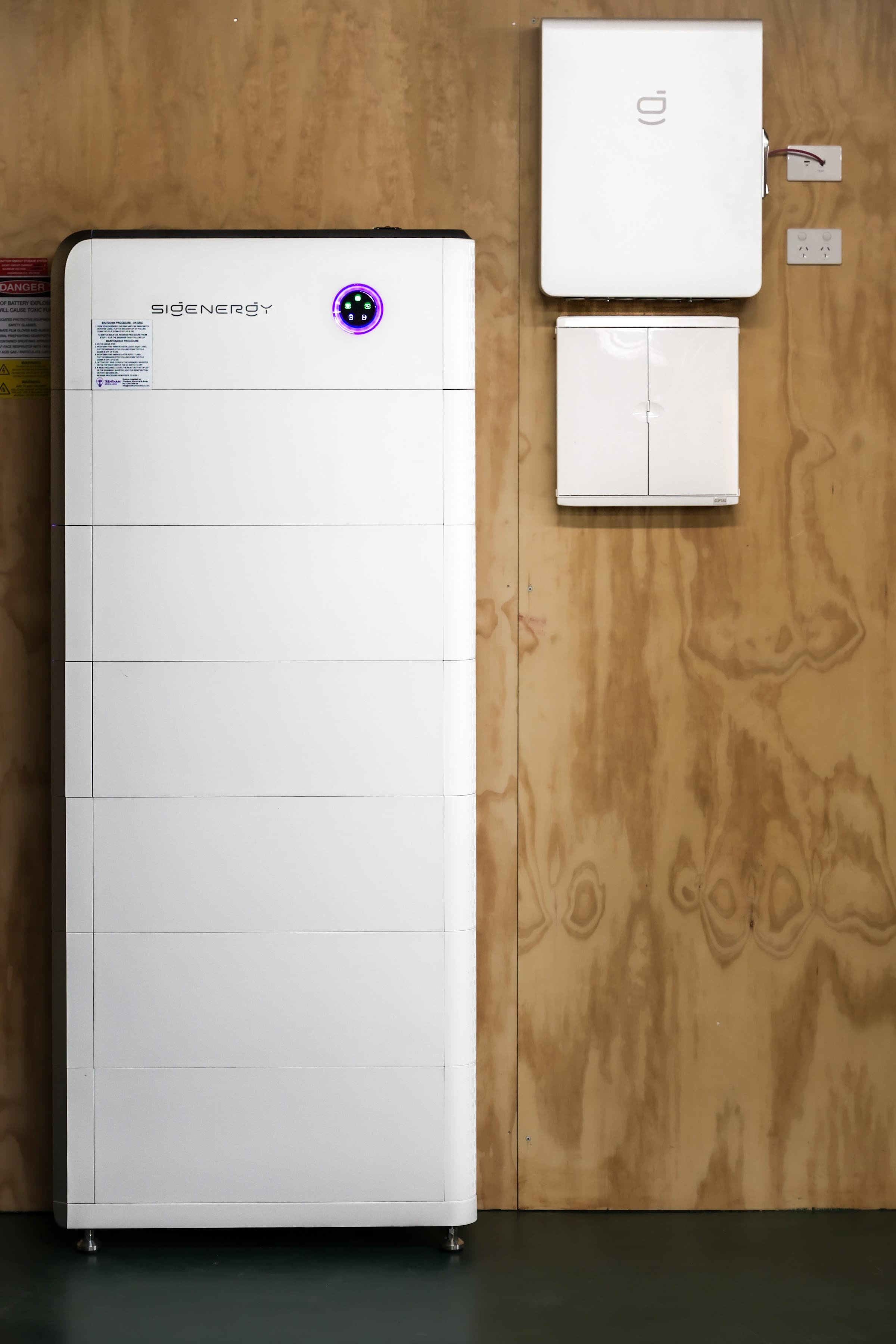
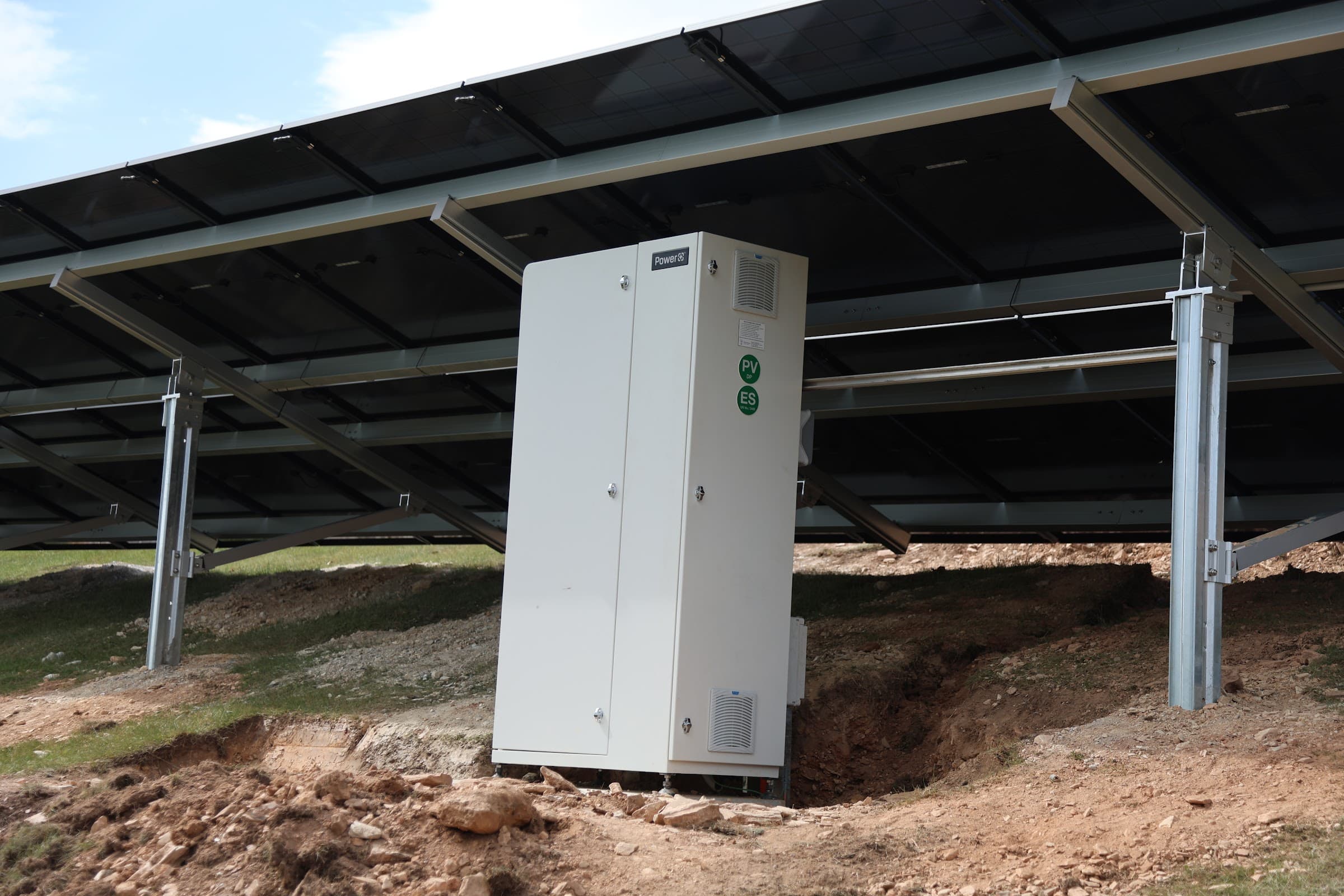
Any licensed electrician who works on off grid systems can look at a RedEarth system and tell you what it is doing. When you ring around, give them the model names, the system ID, the age of the system and what you are seeing, and send photos of the labels.
Trentham Energy looks after off grid systems across central Victoria, including RedEarth owners whose installer is no longer around. Send us the photos and tell us what the system is doing, and we will tell you plainly what we can do: get in touch, or read about our off grid upgrades and repairs.
Sources
- RenewEconomy: Australian company behind home battery that Bowen bought enters administration (2 October 2026)
- RedEarth warranty and claims page (read 2 November 2026)
Written by the Trentham Energy team.