Powercor will build stand alone power systems at up to about six sites by 2031, and it picks them. What the pilot is and what a landholder can do now.
Powercor's stand alone power program is real, but it is small and it is not something you can sign up for. For 2026 to 2031 it is a pilot of up to about six sites, Powercor chooses them, and they replace existing connections on ageing rural lines. If you are building on a new block, or you want off a long SWER line, the stand alone system will be your own.
What a stand alone power system is
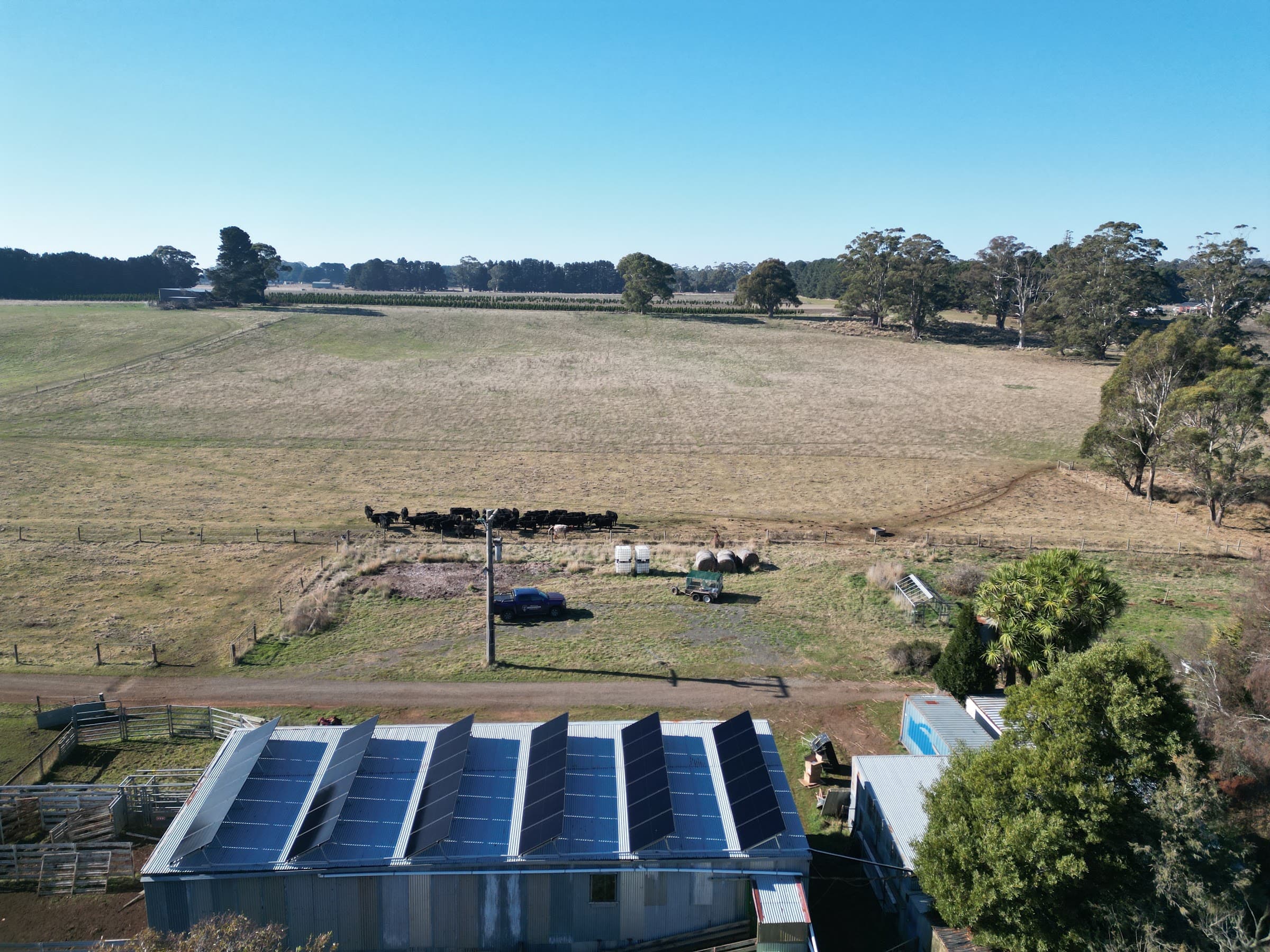
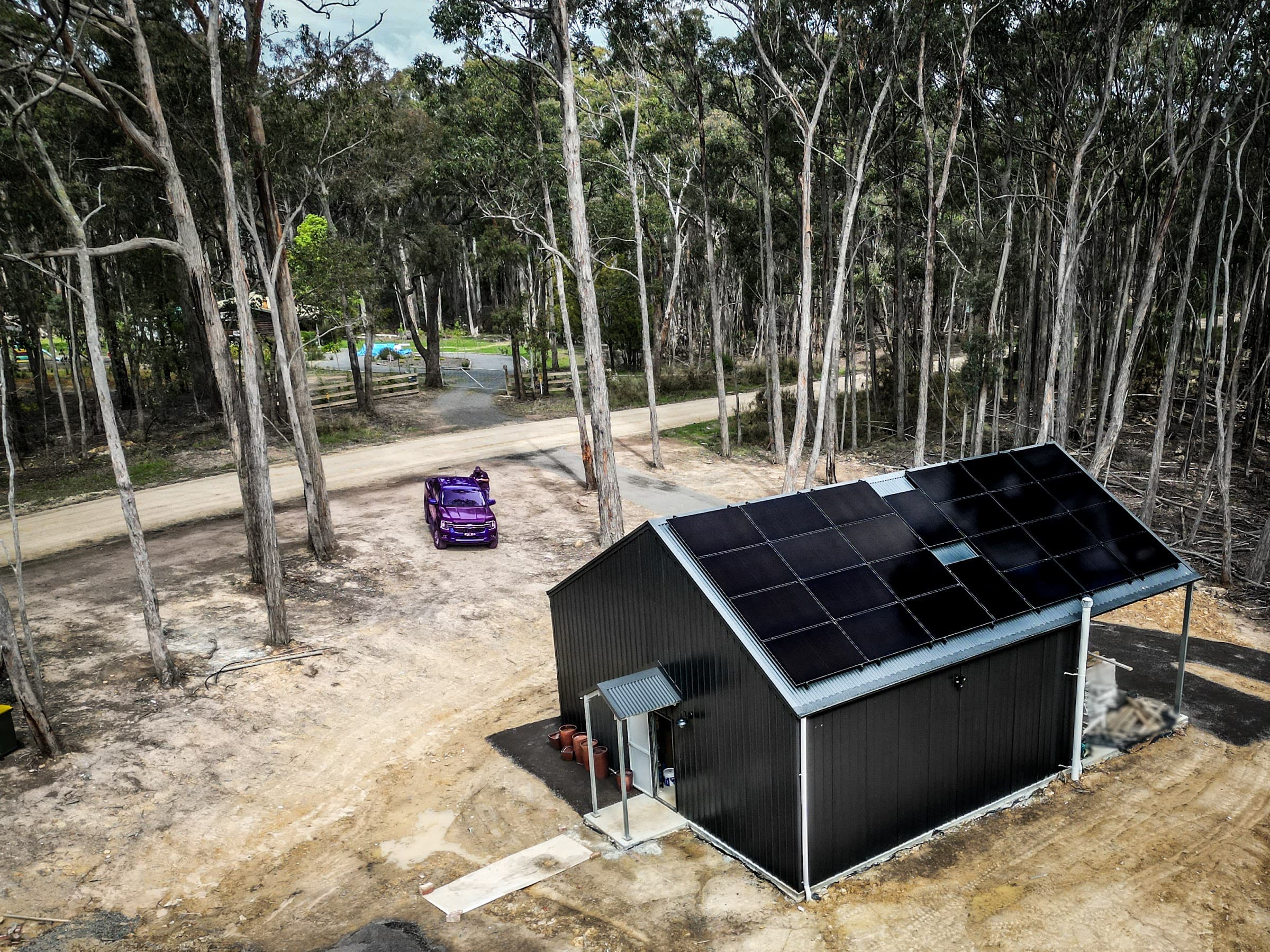
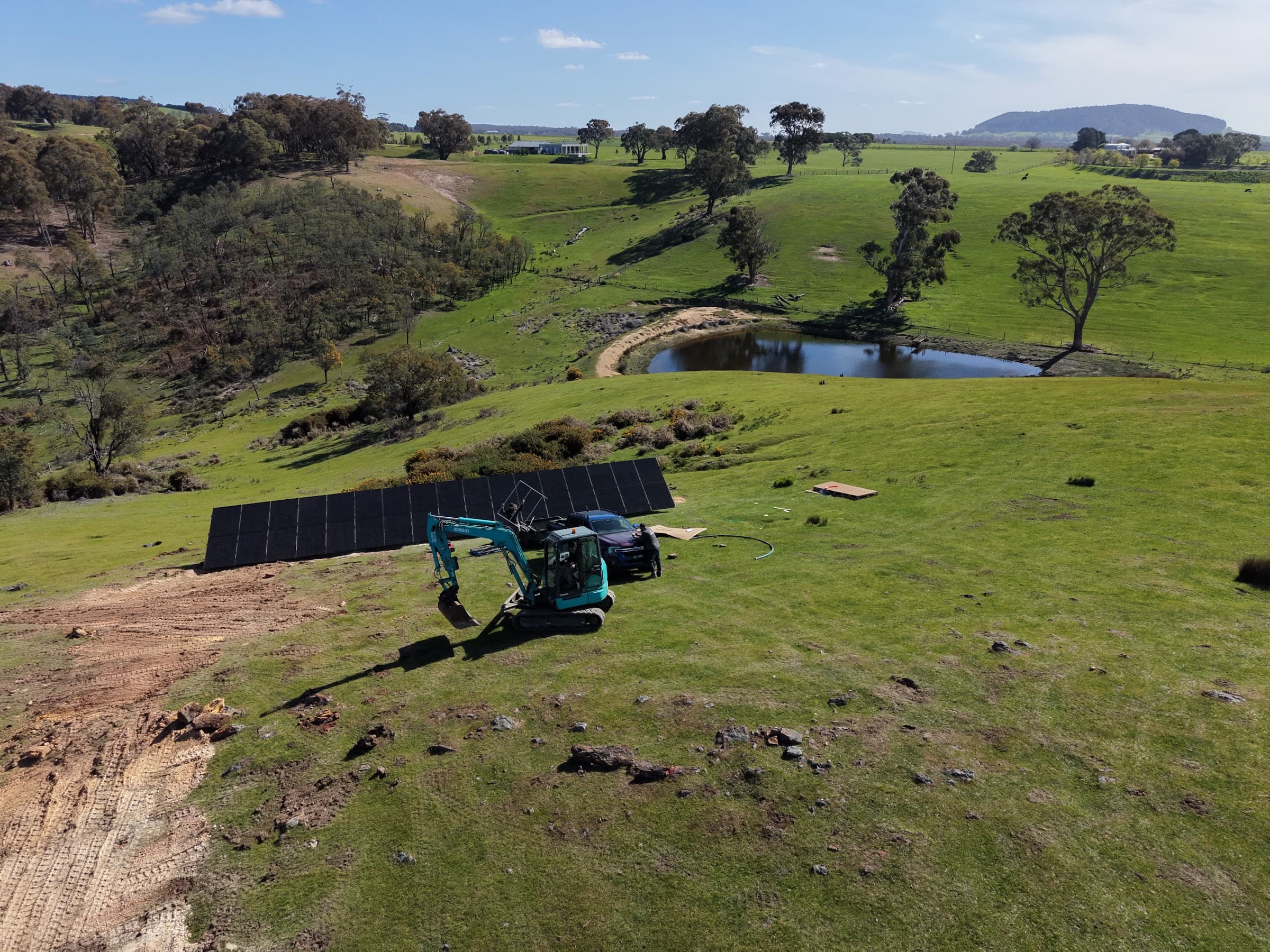
A stand alone power system, or SAPS, is solar panels, a battery and a backup generator on or near a property, sized to carry the whole property with no powerline. When a distributor like Powercor owns one, it sits on the network side of the meter: Powercor installs it, runs it, refuels it and fixes it, and the old line can come down. You keep your retailer and your bill.
The same idea goes by other names. Western Australia's networks call it a standalone power system, or SPS. Older programs called it a RAPS, a remote area power supply. A microgrid is the town sized version.
How big the pilot is
For 2026 to 2031 Powercor asked the Australian Energy Regulator for $3.9 million to build 17 SAPS on its SWER network. The AER's draft decision in September 2025 allowed $1.9 million, half the request, and its consultant advised that "a pilot of up to 6 sites should commence as soon as practicable". Powercor accepted the cut in its December 2025 revised proposal.
Powercor says it expects to expand in the 2031 to 2036 period, once the pilot has proved the costs. Its own modelling, done by Blunomy in April 2024 across the whole SWER network, found 380 customers where a Powercor owned SAPS would beat keeping the line, mostly in north west Victoria, and another 643 customers using 1 MWh a year or less who would be better off with an off grid system of their own.
Who it is for
Powercor's page says its SAPS are for customers on a rural feeder approaching the end of its working life, where keeping the connection costs more than a SAPS, who agree to give up their standard connection, and who have suitable land. An eligible customer gets the system at no extra cost compared with a normal connection.
You cannot put your hand up. Powercor's engagement strategy says customers "cannot self-nominate to receive a SAPS". Powercor finds the sites and contacts the landholder.
If Powercor does call, nothing happens without your signature. Its process asks for written consent before the design starts, then design visits, a draft lease for a fenced compound, and a signed letter agreeing to be disconnected before the line comes down. The build is concrete footings, ground mounted panels, a battery and inverter cabinet, a diesel generator holding about three weeks of fuel, and a fence. Powercor then monitors it around the clock.
AusNet, for comparison
In the east of the state AusNet is further along. It has run 17 trial SAPS in East Gippsland since 2021, and the AER's April 2026 final decision allows $7.1 million for stand alone power systems from 2026 to 2031, with AusNet's business case covering 25 more. Its program is only for existing customers, in clusters of around one to five.
The rules behind it
The Australian Energy Market Commission changed the national rules in 2022 so a distributor can supply an existing customer through a SAPS, with the customer keeping a meter, a choice of retailer and the same consumer protections as a grid customer. Victoria switched that on with its own regulations, which commenced on 16 July 2024 and cover CitiPower, AusNet, Jemena, Powercor and United Energy.
Why it matters around Trentham
In March 2024 Powercor named Trentham, with Ballan and Lancefield, as one of three central highlands towns it was looking at for an islandable town microgrid. We have seen nothing yet confirming Trentham made the final list. The June 2021 storm left parts of Trentham without power for three to six days, and afterwards the Trentham Sustainability Group won $44,000 to plan stand alone backup for essential sites and test a Trentham microgrid with Powercor.
What a landholder can do now
Network SAPS are not for new connections. Essential Energy says it plainly about its own program: they "are not installed in greenfield locations or for new developments". So on a new block the choice is a Powercor connection quote or a stand alone system you own.
Powercor's own guide prices the first 250 metres of rural high voltage line with a transformer at $59,728 single phase and $69,254 three phase, and $181,806 underground, at April 2024 prices including GST. Tree clearing, which the customer arranges and pays for, is on top. Our rural connection cost guide goes through what adds to those figures and who to ask.
Two rebates reach a private stand alone system:
- The federal battery discount, the Cheaper Home Batteries program, applies to an off grid battery on a dwelling that is lived in, such as a remote farmhouse. It does not cover sheds or bore pumps, and it is one battery per dwelling.
- Solar Victoria's solar panel rebate is open to off grid homes that meet its criteria, up to $1,400 for households earning under $150,000.
Solar Victoria's battery rebate needs a grid connection, so it does not apply off grid.
If you want to see what a system for your property looks like, the sizing tool gives the array, battery, inverter and generator for your loads in a few minutes. Our standalone power systems page has the full detail on the network programs.
Sources
- Powercor, stand alone power systems
- CitiPower and Powercor, SAPS Customer and Stakeholder Engagement Strategy (December 2023)
- Blunomy for Powercor, SAPS cost benefit analysis (April 2024)
- AER, draft decision on Powercor 2026 to 2031, capital expenditure (September 2025)
- Powercor, revised proposal 2026 to 2031 (December 2025)
- pv magazine Australia, stand alone power systems put to test in Victoria (July 2023)
- AusNet, stand alone power systems
- AER, final decision overview, AusNet Services 2026 to 2031 (April 2026)
- AEMC, new rules allow distributors to roll out stand alone power systems (February 2022)
- Victorian regulated stand alone power systems regulations 2024, S.R. No. 69/2024
- pv magazine Australia, Powercor plots microgrids to boost regional energy security (March 2024)
- Hepburn Z-NET, Energy and Climate Resilient Trentham
- Essential Energy, stand alone power systems
- Powercor, indicative powerline construction costs (prices at April 2024)
- Clean Energy Regulator, Cheaper Home Batteries
- Solar Victoria, solar panel rebate
Written by the Trentham Energy team.