Simple home battery storage advice for Macedon Ranges and Hepburn Shire homes. Get straight answers from local installers.
Home battery storage is getting a lot of attention around Central Victoria, and for good reason. If you already have solar, or you are thinking about adding it, a battery can help you use more of your own power instead of sending it back to the grid.
Let’s be honest: batteries can sound more confusing than they need to be. There are lots of brands, sizes, backup options, and tech terms. This guide keeps it simple, so you can understand what a battery does, when it makes sense, and what to ask before you go ahead.
What home battery storage actually does
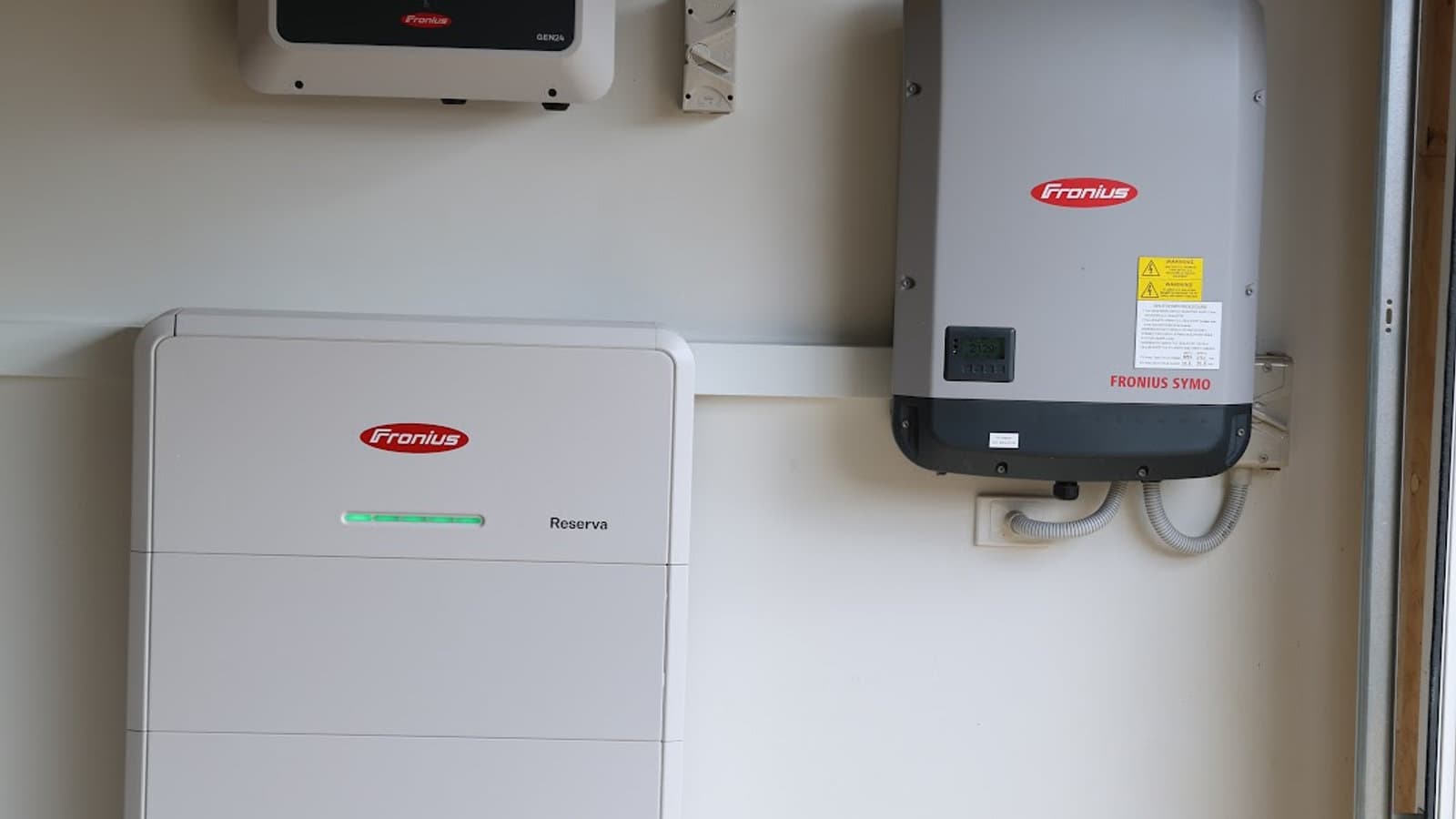
A battery stores extra power from your solar panels during the day. Then, later on, you can use that stored power in the evening, overnight, or during times when your home needs more power than your panels are making.
The key term is kilowatt-hour, or kWh. A kWh is a way to measure stored energy, a bit like litres in a water tank. A bigger battery can hold more power, but bigger is not always better if your home will not use it.
Most homes use a lot of power outside peak sunlight hours. Think cooking dinner, running the dishwasher, heating or cooling the house, charging devices, and watching telly at night. A battery helps cover more of that use with your own solar power.
Why batteries suit Central Victoria homes
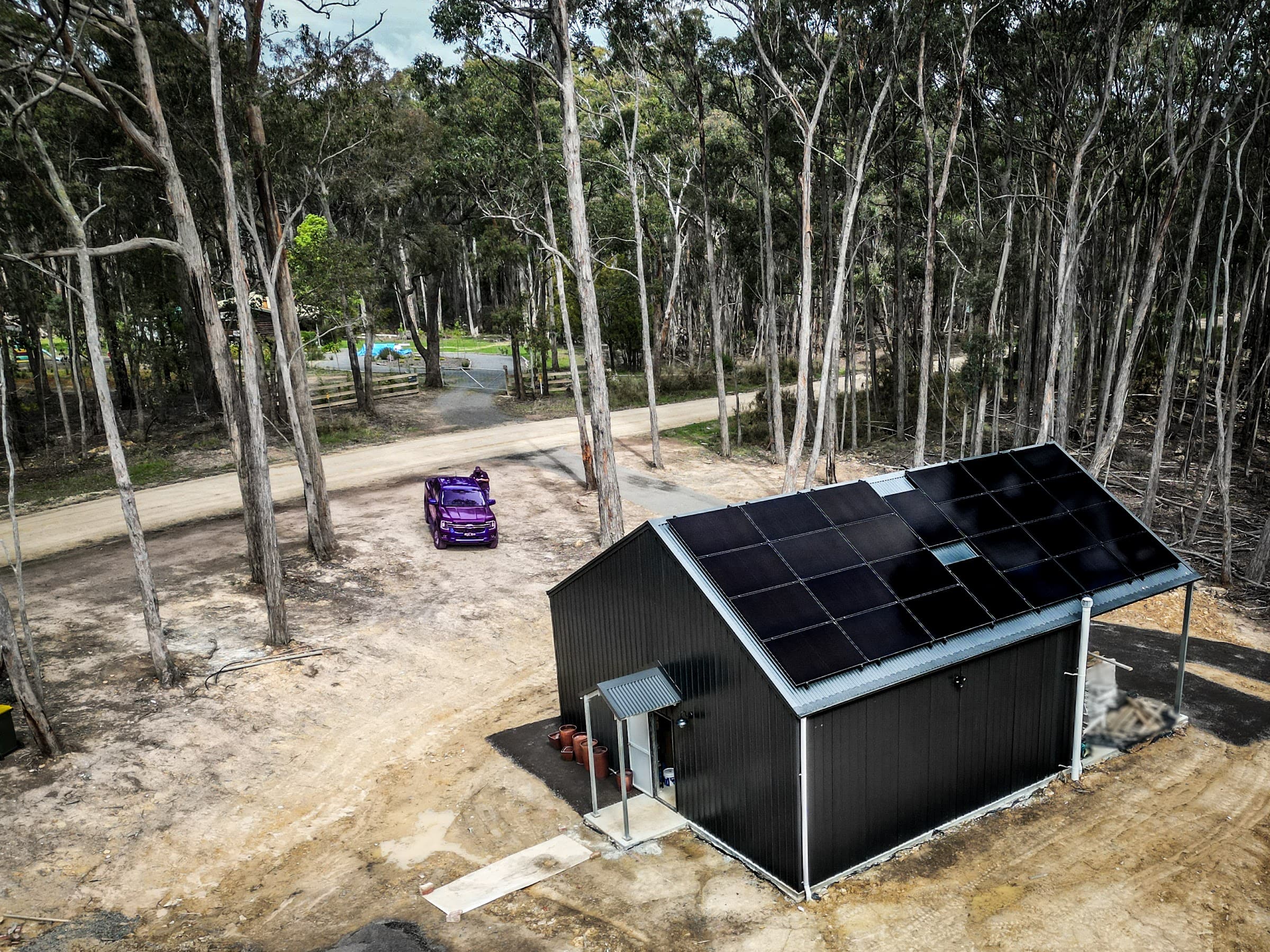
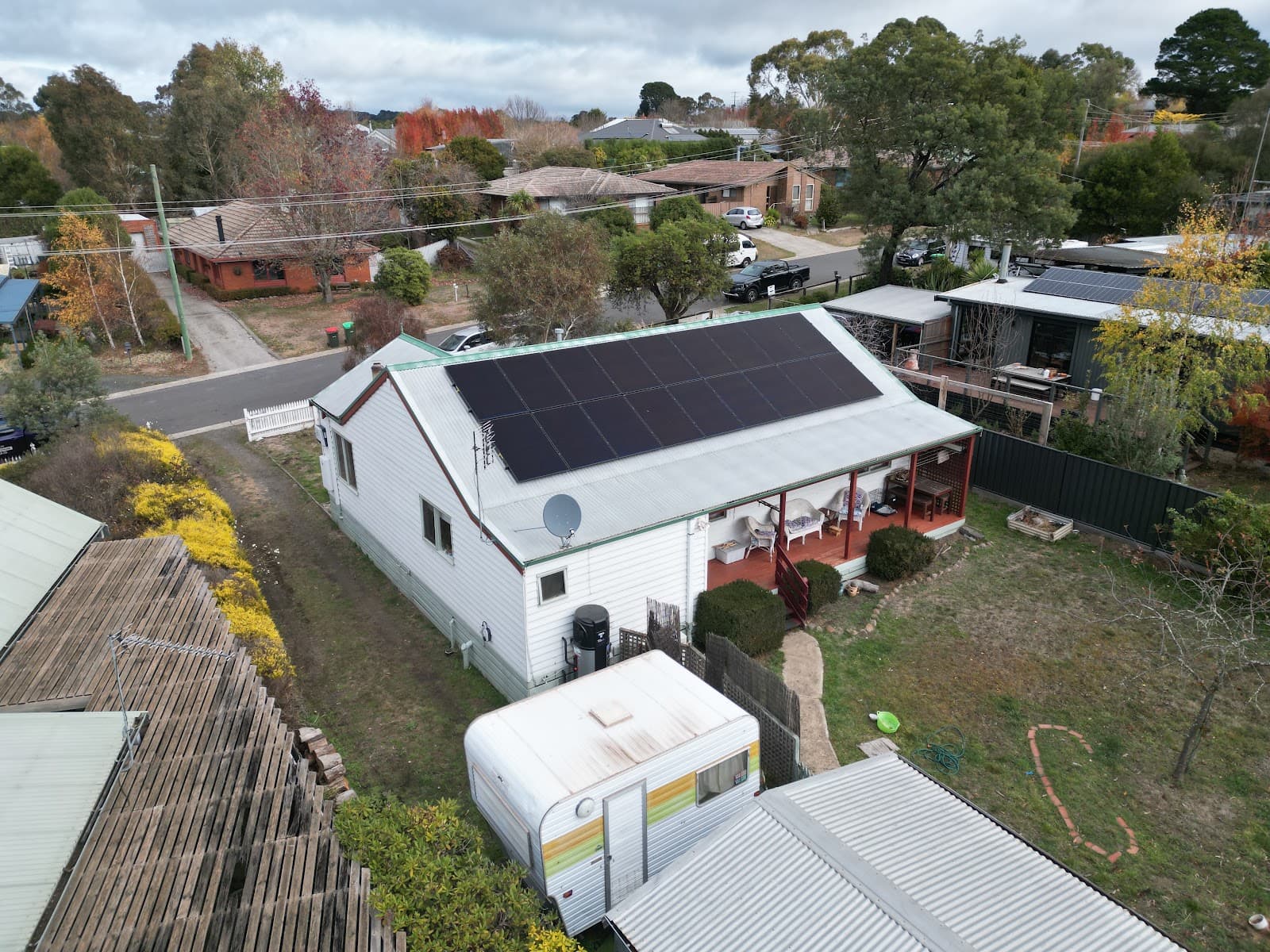
Homes across Hepburn Shire, the Macedon Ranges, and Moorabool can have very different power needs. A house in town with mains power and rooftop solar is a different setup from a rural property with pumps, sheds, gates, or patchy supply.
Weather is another real factor here. Storms, high winds, hot spells, and winter cold snaps can all put pressure on power supply. A well-designed battery setup can give your home more independence and make your solar system work harder for you.
For many neighbours from Trentham and Daylesford through to Kyneton, Woodend, Blackwood, and Bacchus Marsh, the goal is simple. Use more of your own power, rely less on the grid, and build a setup that will still make sense as your home changes.
When home battery storage makes sense
A battery may be a good fit if you make more solar power than you use during the day. Instead of sending all that extra power away, you store some of it and use it when the sun is down.
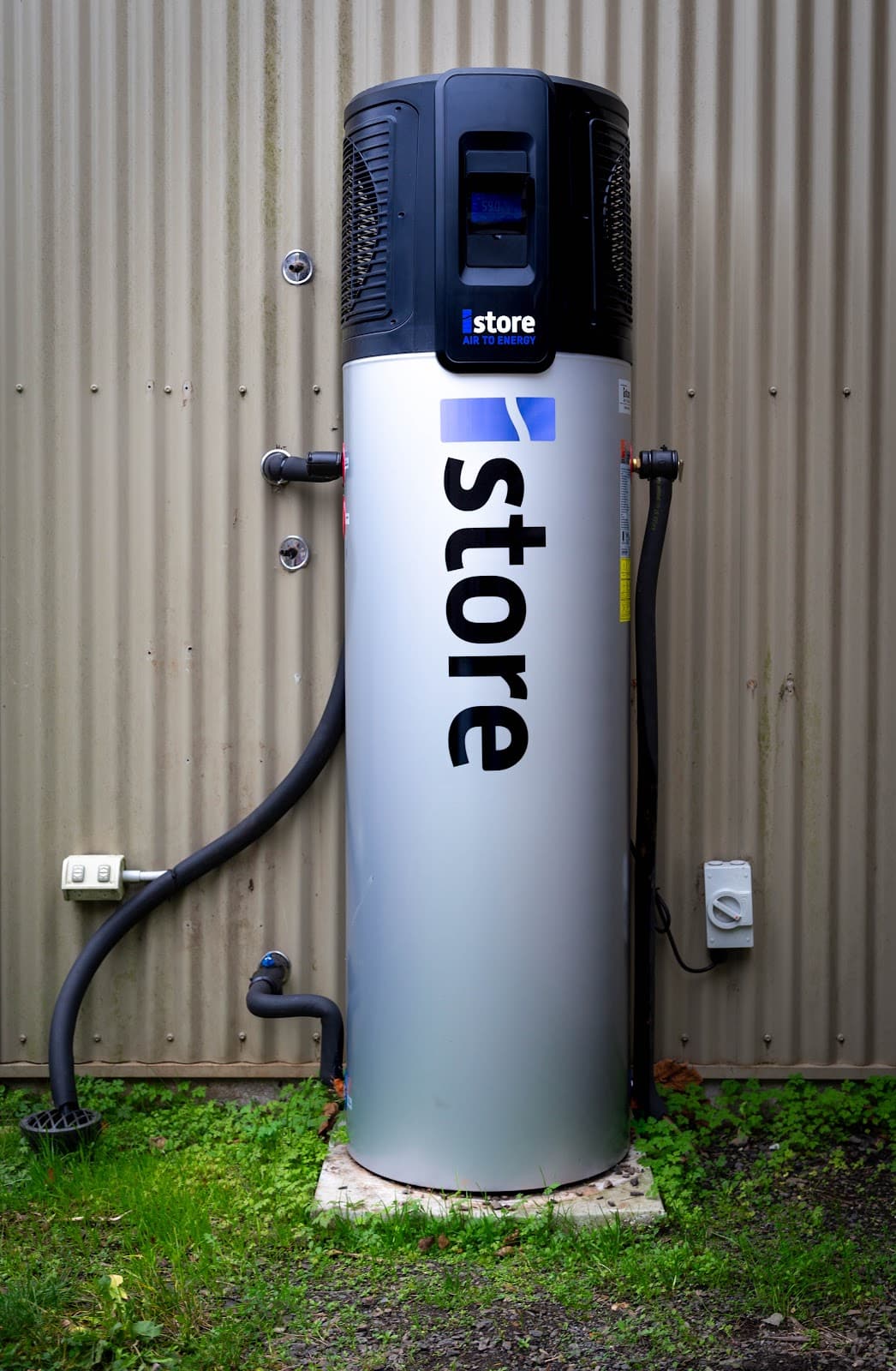
It can also make sense if your home uses more power at night. This may be because of electric cooking, heating and cooling, a heat pump hot water unit, or an EV charger. The more your home moves to electric gear, the more useful good energy storage can become.
Here’s the kicker: the battery is only one part of the system. Your solar size, inverter, switchboard, wiring, tariff, and daily habits all matter. That is why we always look at the full setup before giving advice.
What a battery can and cannot run
A home battery is not magic. It has limits, and it needs to be set up the right way for the loads you want to run.
Some batteries can provide backup power when the grid goes out. Backup power means selected circuits keep running, such as lights, the fridge, internet, or key power points. Not every battery does this the same way, and not every home is wired ready for it.
Large loads need careful planning. Ovens, ducted heating, big pumps, and EV chargers can pull a lot of power at once. If you want those to run from a battery, we need to design for it from the start, not just hope it works later.
Backup circuits: These are the parts of your home that stay powered during an outage.
Essential loads: These are the things you really need, like a fridge, lights, modem, or medical equipment.
Whole-home backup: This means a much bigger design job, because the system must handle more power at once.
Battery storage with solar: on-grid, off-grid, and backup
Most homes with batteries are still connected to the grid. This is called a grid-connected system, which means your home can use solar, battery power, and grid power as needed. If that sounds like your place, have a look at our grid-connected solar solutions for the type of work we do.
Some rural homes need a different approach. An off-grid system means the home is not relying on the mains grid, so the solar, battery, inverter, and often a generator all need to work together. For properties around the Macedon Ranges, Hepburn Shire, and Moorabool, our off-grid solar systems are designed with no shortcuts.
There is also a middle ground. Some homes stay connected to the grid but want backup for outages. This can be a seriously good game changer when the design is tidy and the right circuits are chosen.
Picking the right battery system
The best battery is the one that fits your home, not the one with the flashiest brochure. We start by looking at when you use power, how much solar you make, and what you want the battery to do.
Compatibility matters too. Your existing inverter may or may not work with the battery you like. Your switchboard may need upgrades, and the location of the battery needs to suit safety rules, access, and clean workmanship.
This is where doing the job right matters. A sleek install is not just about looks, although we do like a tidy finish. It is about safe wiring, clear labelling, good ventilation where needed, and a system that is easy to service later.
Your solar setup: We check panel size, inverter type, and how much power is being sent back to the grid.
Your daily use: We look at when the home uses power, not just the total amount on the bill.
Your backup needs: We work out what should stay on if the grid drops out.
Your future plans: We allow for EV charging, heat pump hot water, or heating and cooling changes where it makes sense.
How we help with battery storage locally
This is the bit everyone dreads: working out what is actually right for your house. The internet can give you a rough idea, but it cannot see your switchboard, your roof, your wiring, or how your family uses power.
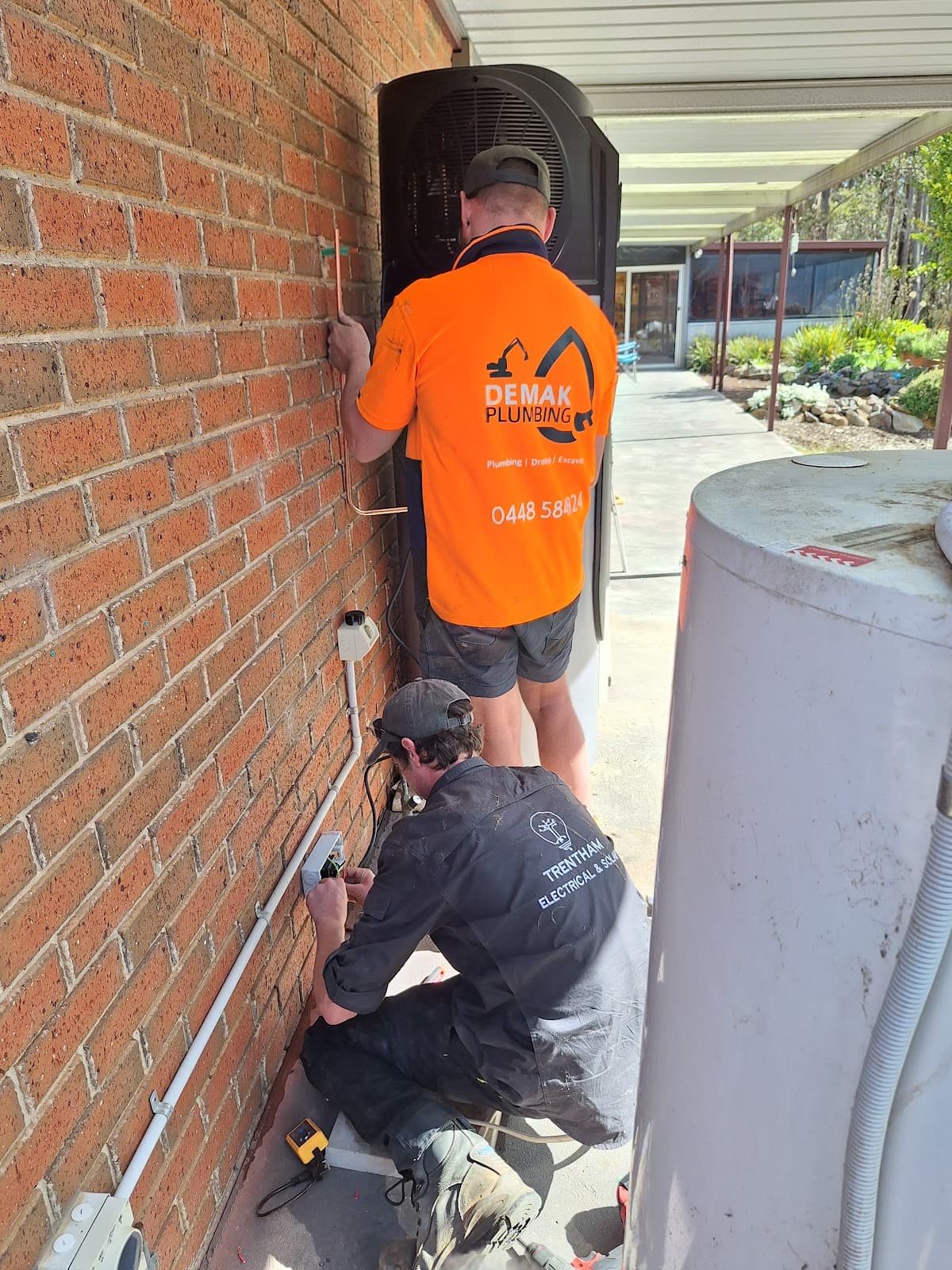
We are a local Trentham team, led by Mick, with CEC-certified system designers and installers and SAA accreditation. Our electricians do the job properly, from design through to licensed electrical work, setup, testing, and after-service support.
No cutting corners, no ‘she’ll be right’ jobs. We want your system to be a powerhouse for the long run, not a headache after the van leaves the driveway.
If you are thinking about adding a battery, reach out through our contact page. We will come out, have a look at your setup, and give you straight answers about what makes sense for your home in Central Victoria.