
Our plan finder runs your own half hourly usage through every Victorian plan, free windows and caps included. Why we built it, and why no retailer pays us.
We built the energy plan finder because the cheapest electricity plan for a home with solar, a battery or an electric car depends on when the power is used, not just how much, and the usual comparison sites cannot see that. Our tool takes your own usage, from a smart meter file or a photo of a recent bill, runs it through every residential plan on your network using the government's own plan data, and ranks them by what they would actually cost you over a year. It is free, and no retailer pays us anything for it.
The problem we kept running into
Electricity plans in Victoria used to be a rate per kWh, a daily supply charge and maybe a feed in tariff. Now a plan can have a free window in the middle of the day, a cap on how much is free, a cheap overnight rate, a solar soak rate in the afternoon, a peak from 4 pm to 9 pm, a demand charge set by your busiest half hour of the month, or a price that moves with the wholesale market.
Two homes using the same 20 kWh a day can have very different best plans. One cooks, heats water and charges a car in the evening. The other runs a battery that fills from the roof by noon and carries the house through the night. A comparison that asks only for your postcode and an annual total treats them as the same household.
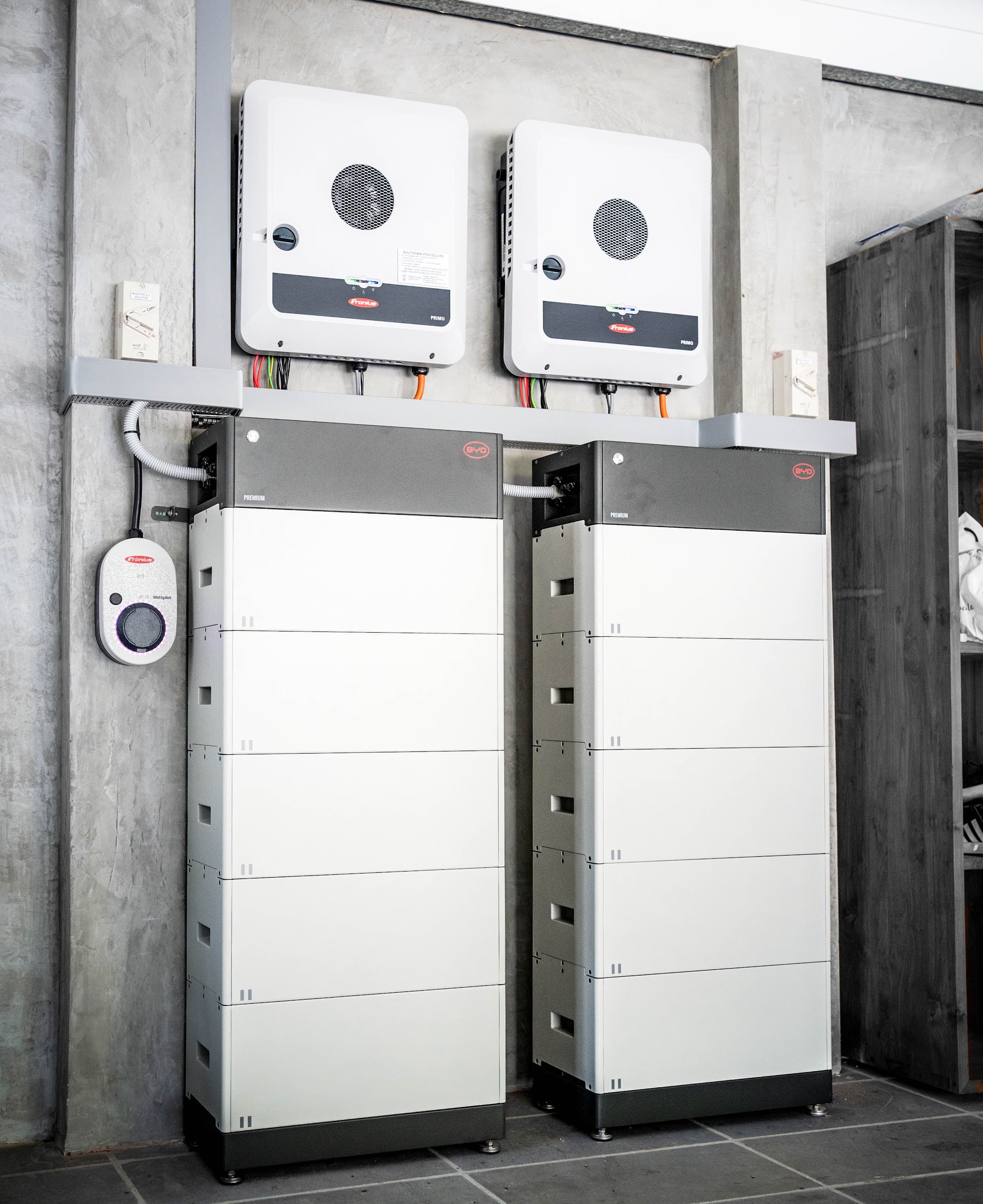
A battery on a plan that does not suit it gives up much of what it could do, and few people ever run the numbers on their own usage after the install. So we wrote a tool to do exactly that.
What it does
- Reads your real usage. The best input is a smart meter file, a NEM12 file from your distributor's portal or a mySigen CSV export, which gives every half hour of the year. If you do not have one, upload a photo or PDF of a recent bill and the tool estimates a year from it. A bill estimate is less precise, and the tool says so.
- Asks about your gear. Solar and its size, a battery, an electric car, an off peak hot water circuit, and anything you cannot move, like heating or a pool pump on a schedule.
- Picks your network. Powercor covers most of Central Victoria; AusNet covers the east and north east. Plans and prices differ by network, and the network is printed on your bill.
- Runs every plan. Each residential plan on your network gets your usage put through it, scaled to a full year, and the list comes back cheapest first.
- Models the battery. If you have a battery, the tool charges it from spare solar, tops it up from the grid in free or cheap windows, and holds charge for the dearest hours. It is a sensible rule of thumb, not a perfect optimiser, and the page says that too.
- Handles small businesses. You choose home or business at the start, and small business plans, including demand tariffs, are ranked the same way.
For our own customers it goes one step further and tells them how to set their battery up for the plan they choose, which is often where the saving actually comes from.
Where the plan data comes from
Plan data comes from the Consumer Data Right feed, the product information every retailer must publish, made available through the Australian Energy Regulator and Victoria's energy department and refreshed daily. Prices include GST, and feed in tariffs are shown as published. For wholesale price plans, such as Amber and Flow Power, the tool uses the retailer's published estimate, with a warning that real bills move with the spot market.
That matters because we did not hand pick a list of retailers, and no plan is left out because it pays no commission.
Free power windows, and the caps that come with them
The biggest change this year is free power in the middle of the day. Victoria's Midday Power Saver started on 1 October 2026: households with a smart meter can ask their retailer for a plan with free electricity from 11 am to 2 pm every day. It is not automatic, retailers with 1,000 or more customers must offer it, and it runs to 30 June 2027. The Victorian Government announced it on 28 May 2026 and estimates savings of $149 to $1,102 a year, depending on how much use a household can move into those hours.
The fine print is why a calculator is needed:
- the free power is capped at 24 kWh a day, with use above that charged at the solar soak rate, according to SolarQuotes and Finder
- the rates outside the window can be higher than a good market plan; SolarQuotes' September 2026 figures for the CitiPower area put the maximum peak rate from 4 pm to 9 pm at 40.36 cents per kWh and the daily supply charge at $1.2114, including GST, and rates vary by network
So a free window plan is brilliant for a home with a battery that can fill from the grid at noon, or a car that charges at midday, and poor value for a home that is empty all day and runs everything after dark. The plan finder counts the daily cap when it plans the battery's charge, so it does not assume a big battery can fill for free once the cap is reached.
Our winter battery charging article explains how to set a battery up to use a free window.
Why no retailer pays us
The page says it plainly: no retailer pays us a cent, there is no commission or referral fee, and nothing affects where a plan sits in the list. Retailer names and logos are there only so you can recognise them.
We are electricians and solar installers. We make our living designing, installing and servicing systems, not switching people between retailers. If the cheapest plan for you is with a retailer we have never heard of, that is the one at the top. Before you switch, the tool tells you to read the retailer's Basic Plan Information Document, which is the official summary of the plan.
Who it is for
- anyone in Victoria who wants to know whether their current plan still suits them
- homes with solar deciding whether a battery would change which plan is cheapest
- battery owners who have never checked their plan since the install
- small businesses on a time of use or demand tariff
Try the plan finder. If the result suggests a battery would change your bills, send us a recent bill and your address and we will come back with a right sized design. If you are off grid, none of this applies to you; see our off grid hub instead.
Questions
Is the Trentham Energy plan finder free?
Yes. There is no charge, and no retailer pays us for placement or referrals. We built it so our own customers, and anyone else in Victoria, can see which plan suits their real usage.
What is the Midday Power Saver?
A Victorian Government plan that started on 1 October 2026 and runs to 30 June 2027. Households with a smart meter can ask their retailer for free electricity from 11 am to 2 pm every day, capped at 24 kWh a day, and rates outside the window can be higher than other plans, so check it against your usage.
Do I need a smart meter file?
No, but it gives the best answer. A NEM12 file from your distributor shows every half hour of your year. A photo or PDF of a recent bill works too, and the tool estimates a year from it, with a less precise result.
Does it work if I have a battery or an electric car?
Yes. You tell it what you have and it models the battery charging from solar and from cheap or free windows, and the car charging at home. That is the main reason we built it.
Sources
- Trentham Energy, energy plan finder (read October 2026)
- Victorian Government, Best midday power offer in the country (28 May 2026)
- Victorians can now get 3 hours of free electricity every day (Finder, 1 October 2026)
- Victoria's Midday Power Saver: will 3 free hours catch on? (SolarQuotes, 23 September 2026)
Written by the Trentham Energy team.